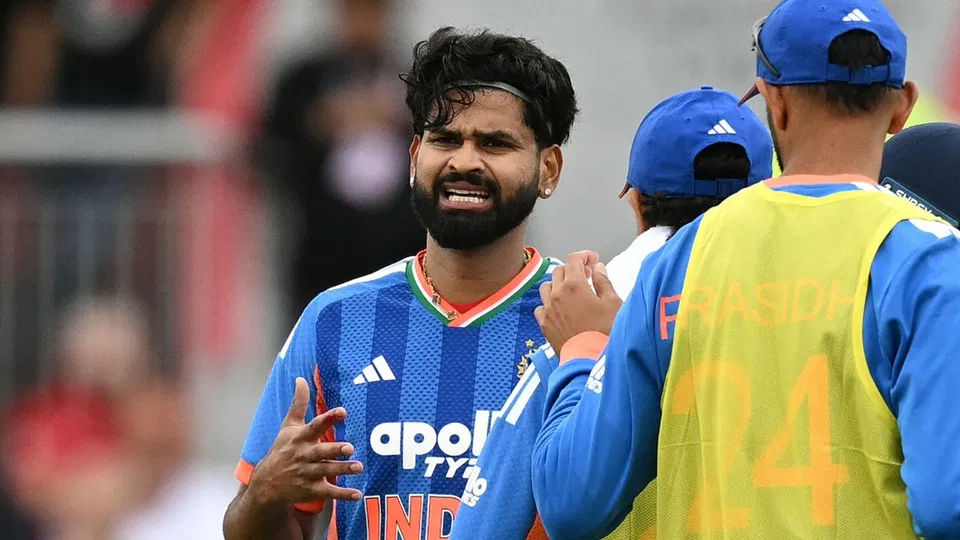
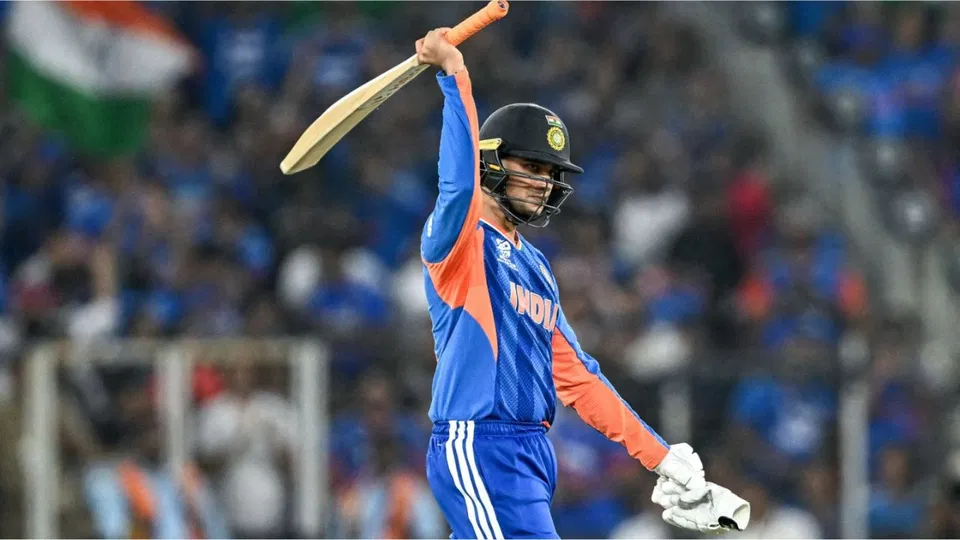
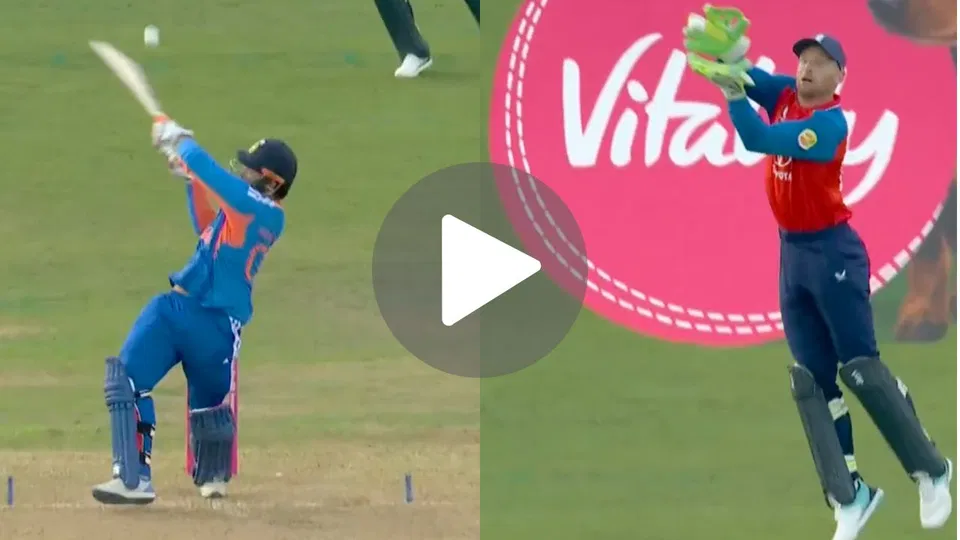
Tilak Varma's stumping dismissal causes controversy [Source: AFP]During the third T20I between India and England, a major controversy erupted when vice-captain Tilak Varma was stumped out by Jos Buttler. While the dismissal appeared routine stumping at first, the replays added a new twist to the narrative.The incident happened when India were collapsing under the scoreboard pressure while chasing 202 runs at Trent Bridge, Nottingham. Inside the powerplay itself, the men in blue lost 5 wickets and needed Tilak to step up.Tilak Varma’s stumping wreaks havocHowever, in a twist of fate, Tilak Varma was brutally dismissed by Will Jacks. The spinner bowled a quick and flat delivery at the stumps. Varma charged down the wicket to play a big shot but was beaten by the pace of the delivery as the ball went past the inside edge of his bat. Meanwhile, England wicketkeeper Jos Buttler collected the ball and broke the stumps while Tilak was still out of his crease. However, the ball appeared to slip out of Buttler's gloves almost immediately after the bails were dislodged. Slow-motion replays showed that although the ball slipped out, Jos Buttler still had the ball in contact with his gloves/fingertips at the exact moment the stumps were broken. Therefore, the stumping was completed legally, and Tilak Varma was given out. Mandrake @Mandrakealive Tilak Varma gone. India : 61-6/ 7.2 Jul 8, 2026, 12:37 AM With that, India’s vice-captain walked back to the pavilion on just 3 runs scored off 11 balls as the visitor lost their sixth wicket in a steep chase.Also Read - MS Dhoni Flies To Trent Bridge To Watch Vaibhav Sooryavanshi In Act On His 45th BirthdayWas Tilak Varma wronged by the umpire?Interestingly, the stumping attempt made by Jos Buttler to dismiss Tilak Varma led to a controversy on social media as fans felt the wicketkeeper’s glovework wasn’t legal.According to the MCC Law of cricket, a wicket is fairly put down if a fielder holds the ball in the hand or hands, or in the hand holding the ball, and removes at least one bail or strikes the stumps out of the ground. If the ball is subsequently dropped, the wicket can still be valid, provided the wicket was put down while the fielder was still in control of the ball. If the fielder loses control of the ball before the wicket is put down, the dismissal is not out. Now, in the chase of Tilak Varma, Jos Buttler had sufficient control of the ball when his gloves broke the stumps. The ball only came loose after the wicket had already been fairly put down. Since Tilak's foot was still outside the crease, the appeal resulted in a valid stumping.Hence, the crucial moment is not whether the England keeper eventually drops the ball, but whether they had control of it at the instant the wicket was broken. The replay confirmed Buttler did, so Tilak Varma was correctly given out. India suffer a brutal and humiliating collapseMeanwhile, with Tilak Varma’s dismissal, India lost their last hope. From 60/6 in a 202-run chase, there was no chance of recovery. However, the Indian batting unit didn’t even try to put up a fight.Harshit Rana, Shivam Dube, Arshdeep Singh and captain Shreyas Iyer were dismissed on single-digit scores. India slipped from 52/5 to 70/9 in just a span of 5 overs.Josh Tongue was absolutely relentless as he picked up 4 wickets for 28 runs in his 4 overs. Jofra Archer also picked 3 wickets as the men in blue were bowled out for just 76 runs, thus registering one of their lowest totals in T20I history. With that 125-run mega victory, England took a 2-0 lead in the 5-game T20I series.Also Read - Shreyas Iyer Leads India To Most Shameful Record In Indian Cricket History