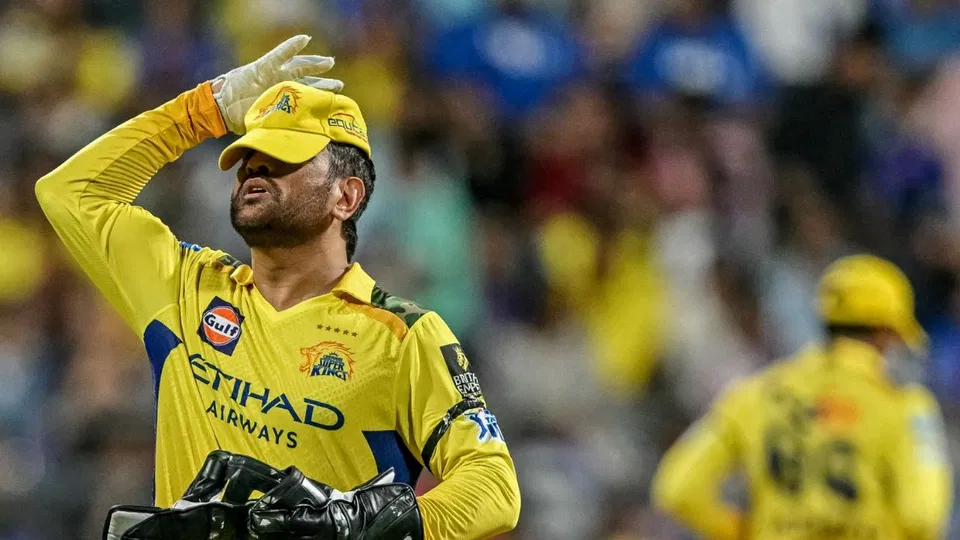
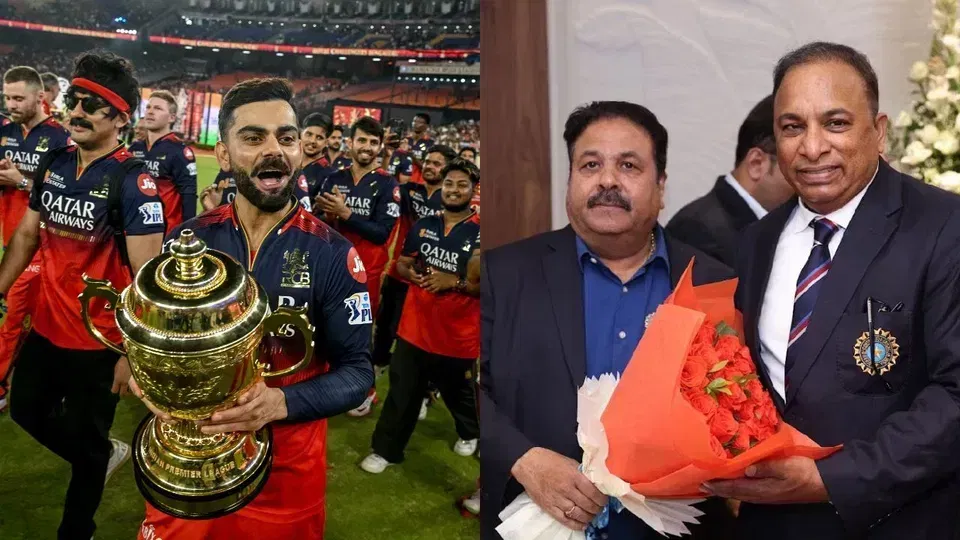
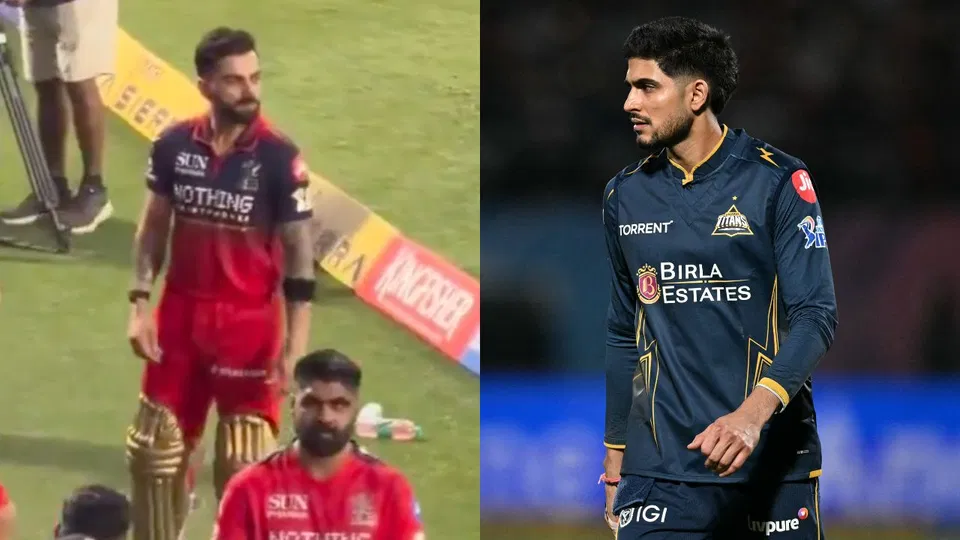
RCB beat GT by 92 runs. [Source - AFP]RCB produced one of their most complete performances of the season against Gujarat Titans in Qualifier 1, storming into the IPL 2026 final with authority and completely shifting the playoff narrative around both sides.While Gujarat Titans entered the contest carrying momentum, form, and one of the tournament’s strongest bowling attacks, RCB approached the challenge differently. They identified crucial weaknesses within GT’s setup and relentlessly built pressure around those areas throughout the contest. Rajat Patidar stood at the center of RCB’s statement victory with a sensational unbeaten 93 off 33 balls. His innings powered RCB into a commanding position and left Gujarat Titans struggling to regain control at any stage. The Three Tactical Battles RCB Won Against Gujarat Titans 1. RCB Neutralized Gujarat Titans’ Biggest Bowling Weapon Coming into Qualifier 1, Gujarat Titans had the best bowling attack of IPL 2026 and their dominance largely started inside the powerplay. GT had picked up 30 wickets in the first six overs before the playoffs, the most by any side this season, with Kagiso Rabada leading the charge brilliantly. Rabada alone had taken 17 powerplay wickets, the highest for any bowler in the league stage, while Mohammed Siraj added another 13 wickets with an economy below eight. Gujarat Titans repeatedly used the new ball to control games early and push oppositions immediately under pressure during the league stage. RCB, however, understood that surviving the powerplay would not be enough against GT’s attack. Instead, they decided to counterattack aggressively and deny Gujarat Titans the control they usually enjoy with the new ball, even if it meant taking calculated risks early. Also Read: Virat Kohli Creates New World Record In IPLThough Venkatesh Iyer fell early, his intent gave RCB momentum straightaway before Virat Kohli and Devdutt Padikkal carried it forward confidently. RCB raced to 76 for 1 in the first six overs, their joint-best powerplay batting performance of the season. That phase completely killed GT’s bowling plans because RCB attacked Gujarat Titans exactly where they had dominated every other side this season. Rabada conceded 39 runs in his three overs and managed only one wicket despite entering the match as the tournament’s best powerplay wicket-taker. RCB’s aggressive approach also disrupted Gujarat Titans’ bowling plans as Siraj bowled only two overs, ending a streak where he had bowled throughout the powerplay in 11 consecutive matches. It reflected how successfully RCB prevented GT from settling into their preferred structure early. 2. RCB Backed Their Superior Six-Hitting Ability Perfectly RCB entered Qualifier 1 with far stronger power-hitting numbers than Gujarat Titans. GT’s batting approach throughout IPL 2026 relied more on controlled aggression, operating at a strike-rate of 151.3 while hitting 108 sixes at a rate of one every 14.85 balls. RCB, in comparison, played a far more explosive brand of cricket during the league stage. They carried a batting strike-rate of 164.13 into the playoffs and hit a six every 10.68 balls, clearly giving them the edge when it came to six-hitting and quick scoring phases. The bigger challenge, however, was executing that approach against the tournament’s best bowling attack. Gujarat Titans had consistently controlled scoring rates this season, but RCB understood that their best chance was to maximize their own power-hitting strength.That strategy also exposed a possible weakness within Gujarat Titans’ batting setup. GT were comfortable chasing manageable totals through controlled acceleration, but a required rate beyond 12 runs per over was always likely to push them away from their preferred batting structure and force higher-risk cricket. Rajat Patidar led that attacking approach brilliantly as RCB piled up 254 runs, the highest total ever recorded in IPL playoffs history. The innings included 14 sixes from RCB, while Gujarat Titans managed only seven in reply during their unsuccessful chase. The six-hitting difference eventually reflected the larger tactical gap between both sides in Qualifier 1. RCB fully trusted their biggest batting strength, executed it under pressure against the best bowling attack of the season, and successfully turned the contest into a power-hitting battle. 3. RCB Exposed Gujarat Titans’ Fragile Middle Order Completely Once RCB posted 254 runs on the board, Gujarat Titans were immediately pushed out of their comfort zone. The chase demanded constant aggression, but GT’s best chance of competing still depended heavily on their top-order dominating the powerplay like they had throughout the season. Before the playoffs, Gujarat Titans’ top three had contributed 61.92 percent of the team’s total runs in IPL 2026. That dependence also highlighted another issue within their setup as GT’s middle-order had produced the fewest runs among all teams during the league stage. RCB targeted that weakness perfectly. They removed Sai Sudharsan, Shubman Gill and Jos Buttler inside the powerplay itself, denying Gujarat Titans any opportunity to settle into the chase early. The damage became even bigger when GT lost five wickets inside the first six overs. Before this match, Gujarat Titans had suffered only 13 dismissals in the powerplay across the entire league stage, the fewest by any team in IPL 2026. That early collapse completely exposed a middle-order which already carried the second-worst batting average in the league at 24.55 before this game. Once RCB broke through the top-order, Gujarat Titans simply had no stability left to recover from the pressure of the massive chase. Conclusion RCB eventually succeeded because they attacked Gujarat Titans exactly where they had been strongest all season. They neutralized GT’s powerplay bowling, dominated the six-hitting battle, and then dismantled the batting core that had carried Gujarat Titans throughout IPL 2026. Also Read: IPL To Take Place 2 Times In A Year! BCCI Announces Massive Action