






.jpg?type=hq) BCCI and supreme Court - (Source: AFP/X)
BCCI and supreme Court - (Source: AFP/X)
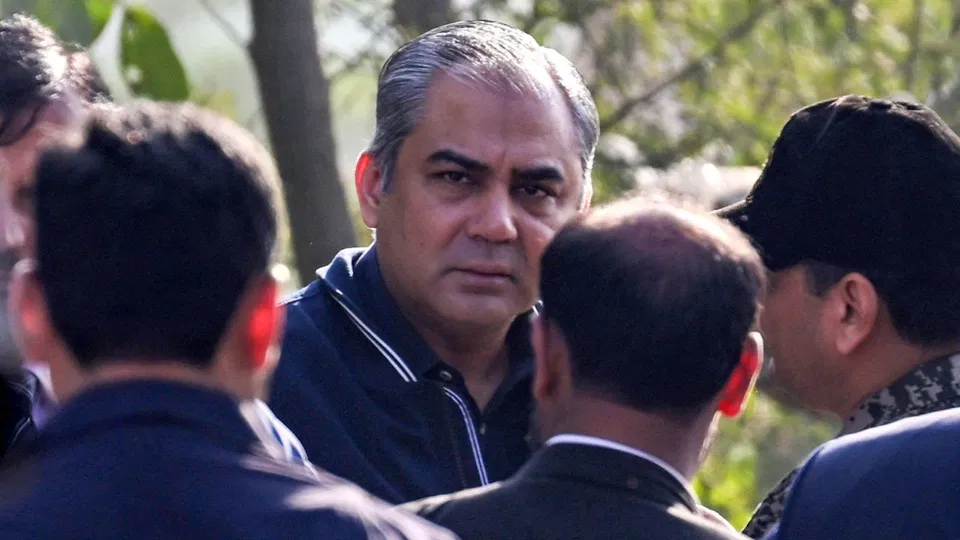
Ahead of a busy cricketing season, the Board of Control for Cricket in India (BCCI) is facing legal scrutiny. The Mithun Manhas-governed organisation has been asked by the Supreme Court to explain its exclusion from the National Sports Governance Act 2025.
On Tuesday, September 8, a bench comprising Chief Justice Surya Kant and Justices Joymalya Bagchi and V Mohana questioned BCCI’s legal team to explain why the board and its state associations should not come under the National Sports Governance Act, 2025.
This is the first massive development involving Supreme Court and BCCI since the apex court lifted Anurag Thakur's ban from holding office.
What is the National Sports Governance Act, 2025 That BCCI Is Not Part Of?
On August 12 2025, Parliament passed the National Sports Governance Act bill to legally regulate national sports bodies, ensure transparency, and protect athlete welfare. It replaced a 2011 act to bring more transparency and accountability in Indian sports.
The previous act allowed ad-hoc governance interventions in sports governance, which often led to non-alignment with the guidelines of international sports bodies. However, the new act led to the establishment of the National Sports Board, which has the powers to approve, suspend, or revoke federation recognition and disburse government funds.
The act grants sports bodies more powers and more decision-making abilities. However, the BCCI does not come under this Act, which has been a topic of debate.
BCCI’s Reply To Supreme Court: Why Does It not Comply With the National Sports Act?
According to Cricbuzz, BCCI lawyers didn’t speak to the media about their reply to the Supreme Court’s directive, but the Mithun Manhas-led board is firm on their previous stance. For a long time now, the apex cricket board of India has argued that they don’t recieve sports funds from the government, which is why they should not be a part of the National Sports Act.
It is worth noting that Sports bodies which are governed by the government and part of the National Sports Act are bound to receive grants from the Ministry of Youth Affairs and Sports. for smooth functioning.
Also Read: BCCI Secretary Devajit Saikia Suddenly Resigns From Important Post In Assam Government
However, BCCI is a autonomous body formed in December 1928 without any government interference.
“Even though the National Sports Governance Act 2025 has been enacted, the sport of cricket has not been notified as a designated sport for the National Sports Governance Act to apply,” the BCCI submitted before the Odisha High Court in a case relating to the election of the Odisha Cricket Association.
One of the downsides of BCCI not being part of the National Sports Governance Act is that BCCI is not subject to the same RTI obligations.
BCCI's Current Framework: Why They Face A Hurdle Before 2027 ODI World Cup?
The BCCI is entirely self-funded. It generates revenue independently through media rights, broadcasting, ticket sales, and the Indian Premier League (IPL). It relies on no direct government funding.
The board is bound by Justice R.M. Lodha Committee recommendations. The Lodha Committee was appointed by the Supreme Court of India on January 23, 2015.
Talking about 2027 ODI World Cup, the prestigious fifty-over event is less than 14 months away. The board has several tasks on their hands such as player injuries, selection headache. Amid this, a legal scrutiny with Supreme Court is the last thing they want.
Also Read: "Cooked Ajit Agarkar": Rohit Sharma's Jab At BCCI Chief Selector Sets Internet On Fire
.jpg?type=mq "Bumrah declared fit!")