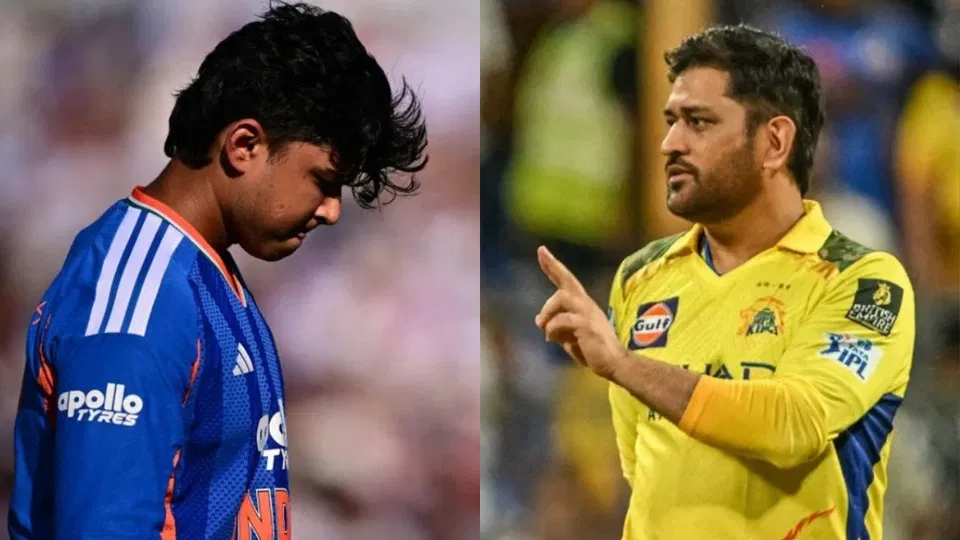
Reasons behind India's shambolic loss decoded [Source: AFP]The fourth T20I between India and England in Bristol sealed yet another demoralising series defeat for the Shreyas Iyer-led side on the UK tour. When Iyer replaced Suryakumar Yadav as T20I captain, there was plenty of anticipation around his charismatic leadership, which, according to fans and experts, could have been India's guiding force to glory. However, the IPL-winning captain got a reality check on his first-ever assignment, with Ireland, followed by England, comfortably outclassing the tourists in home conditions. As Shreyas Iyer becomes the first Indian captain to remain winless across six T20Is, here we decode three major reasons why the Men in Blue were completely blanked by Harry Brook's England. 3 biggest reasons why India lost the T20I series against England1. Delayed arrival and lack of adaptability to English conditionsWhile Shreyas Iyer wasn't part of India's T20 World Cup 2026 squad, most of his teammates played pivotal roles in the triumphant campaign and participated in the IPL that followed the marquee tournament. The T20 World Cup kickstarted on February 7, and the IPL 2026 ran till May 31. Thus, the Indian cricketers continuously played T20 cricket for roughly three and a half months in Indian conditions. It's worth mentioning that the pitches in India offer relatively less pace and bounce than the English tracks. Therefore, the T20I players, especially Ishan Kishan, Sanju Samson, Abhishek Sharma, Tilak Varma and Shivam Dube, needed ample practice time and should've arrived in the UK earlier than scheduled to acclimatise themselves to the alien conditions. PlayerSelectAdd Row AboveAdd Row BelowAdd Column RightAdd Column LeftDelete RowDelete ColumnDelete TableT20Is played in England before 2026 tourSelectAdd Row AboveAdd Row BelowAdd Column RightAdd Column LeftDelete RowDelete ColumnDelete TableAbhishek SharmaSelectAdd Row AboveAdd Row BelowAdd Column RightAdd Column LeftDelete RowDelete ColumnDelete Table0SelectAdd Row AboveAdd Row BelowAdd Column RightAdd Column LeftDelete RowDelete ColumnDelete TableSanju SamsonSelectAdd Row AboveAdd Row BelowAdd Column RightAdd Column LeftDelete RowDelete ColumnDelete Table0SelectAdd Row AboveAdd Row BelowAdd Column RightAdd Column LeftDelete RowDelete ColumnDelete TableIshan KishanSelectAdd Row AboveAdd Row BelowAdd Column RightAdd Column LeftDelete RowDelete ColumnDelete Table1SelectAdd Row AboveAdd Row BelowAdd Column RightAdd Column LeftDelete RowDelete ColumnDelete TableTilak VarmaSelectAdd Row AboveAdd Row BelowAdd Column RightAdd Column LeftDelete RowDelete ColumnDelete Table0SelectAdd Row AboveAdd Row BelowAdd Column RightAdd Column LeftDelete RowDelete ColumnDelete TableShivam DubeSelectAdd Row AboveAdd Row BelowAdd Column RightAdd Column LeftDelete RowDelete ColumnDelete Table0SelectAdd Row AboveAdd Row BelowAdd Column RightAdd Column LeftDelete RowDelete ColumnDelete TableVaibhav SooryavanshiSelectAdd Row AboveAdd Row BelowAdd Column RightAdd Column LeftDelete RowDelete ColumnDelete Table0SelectAdd Row AboveAdd Row BelowAdd Column RightAdd Column LeftDelete RowDelete ColumnDelete TableShreyas IyerSelectAdd Row AboveAdd Row BelowAdd Column RightAdd Column LeftDelete RowDelete ColumnDelete Table1SelectAdd Row AboveAdd Row BelowAdd Column RightAdd Column LeftDelete RowDelete ColumnDelete TableAxar PatelSelectAdd Row AboveAdd Row BelowAdd Column RightAdd Column LeftDelete RowDelete ColumnDelete Table1SelectAdd Row AboveAdd Row BelowAdd Column RightAdd Column LeftDelete RowDelete ColumnDelete Table(India's prime batting options had played 3 T20Is combined in England before 2026 tour)However, the Indian players landed in Ireland on June 23, only three days prior to the first match against the home side. While some of their practice sessions were washed out due to rain, there was a gap of only two days between the conclusion of the Ireland series and the commencement of the five-match T20I leg against England. Thus, the Indian cricketers got a narrow window for preparing themselves for the overseas tours.Therefore, when the England bowlers, particularly Jofra Archer and Josh Tongue, tested them with hard-length and body-line bowling, the Indian batters found it incredibly challenging to score runs. The lack of match practice and the absence of orthodox horizontal bat shots like cut and pull led to India's embarrassing outing with the bat on multiple occasions and resulted in their series defeat. Also Read: What MS Dhoni Thinks Of Vaibhav Sooryavanshi? Verdict Out After Flop Debut2. Prime Wicket-taking options strugglingWith Jasprit Bumrah being rested and Hardik Pandya ruled out, India needed Arshdeep Singh and Varun Chakaravarthy to step up as their prime wicket-taking options in England. However, both these bowlers looked lacklustre in the England series, managing five wickets combined. CriterionSelectAdd Row AboveAdd Row BelowAdd Column RightAdd Column LeftDelete RowDelete ColumnDelete TableDataSelectAdd Row AboveAdd Row BelowAdd Column RightAdd Column LeftDelete RowDelete ColumnDelete TableInningsSelectAdd Row AboveAdd Row BelowAdd Column RightAdd Column LeftDelete RowDelete ColumnDelete Table13SelectAdd Row AboveAdd Row BelowAdd Column RightAdd Column LeftDelete RowDelete ColumnDelete TableWicketsSelectAdd Row AboveAdd Row BelowAdd Column RightAdd Column LeftDelete RowDelete ColumnDelete Table17SelectAdd Row AboveAdd Row BelowAdd Column RightAdd Column LeftDelete RowDelete ColumnDelete TableAverageSelectAdd Row AboveAdd Row BelowAdd Column RightAdd Column LeftDelete RowDelete ColumnDelete Table25.52SelectAdd Row AboveAdd Row BelowAdd Column RightAdd Column LeftDelete RowDelete ColumnDelete TableStrike RateSelectAdd Row AboveAdd Row BelowAdd Column RightAdd Column LeftDelete RowDelete ColumnDelete Table17.58SelectAdd Row AboveAdd Row BelowAdd Column RightAdd Column LeftDelete RowDelete ColumnDelete TableEconomySelectAdd Row AboveAdd Row BelowAdd Column RightAdd Column LeftDelete RowDelete ColumnDelete Table8.70SelectAdd Row AboveAdd Row BelowAdd Column RightAdd Column LeftDelete RowDelete ColumnDelete Table(Arshdeep Singh since T20 World Cup 2026)Varun Chakaravarthy's hamstring injury adversely affected his performance before ruling him out of the five-match series. Meanwhile, Arshdeep has been taken to the cleaners, extending the lean patch he sustained during the T20 World Cup 2026. The poor performance of their two prime wicket-taking options made India's bowling attack defensive, prompting the English batters to dominate them with aggressive intent and 360-degree stroke-play. 3. Too many questionable selectionsWhile established batters like Ishan Kishan, Abhishek Sharma, Sanju Samson and Tilak Varma have been exploited by the English fast bowlers, some of the bizarre selection calls haven't helped India's cause either. The idea to promote Harshit Rana over Shivam Dube to arrest the batting collapse in the third T20I is one such example. The inclusion of Washington Sundar at the expense of a specialist bowler in the subsequent match is another strategic decision which made little sense. Harshit Rana doesn't have the credentials to be promoted over a more established batter like Shivam Dube. Meanwhile, Sundar hardly adds any value as an allrounder in T20Is, having scored at a strike rate of 126.8 and taken almost 21 deliveries to bag a wicket. Such tactics highlighted lots of confusion and the lack of clarity in the Gautam Gambhir-led management's decision-making, leading the Men in Blue to a disastrous defeat on English soil. Also Read: Team India Share Verdict On Shreyas Iyer’s Future As Captain





.jpg?type=mq "Mustafizur Rahman Injured Again, Another Global Competition At Risk")