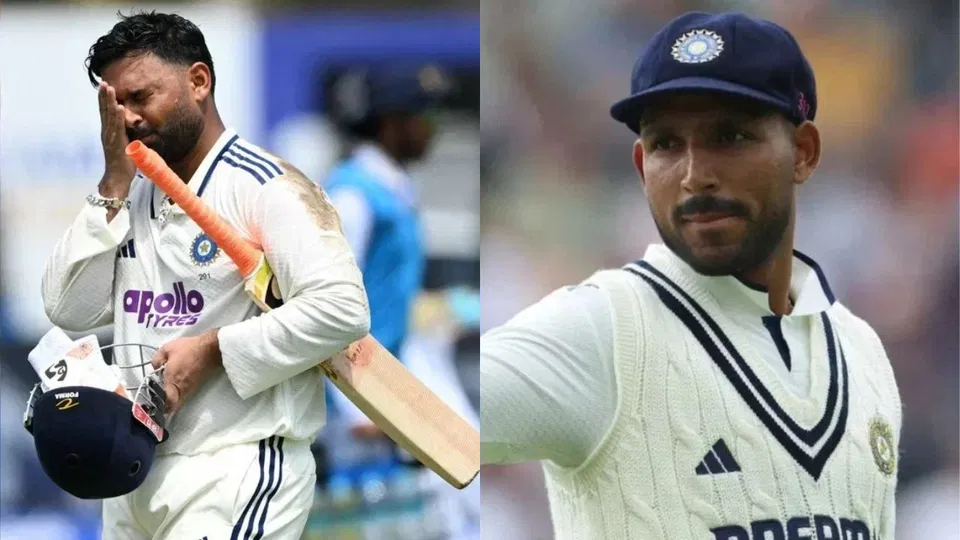
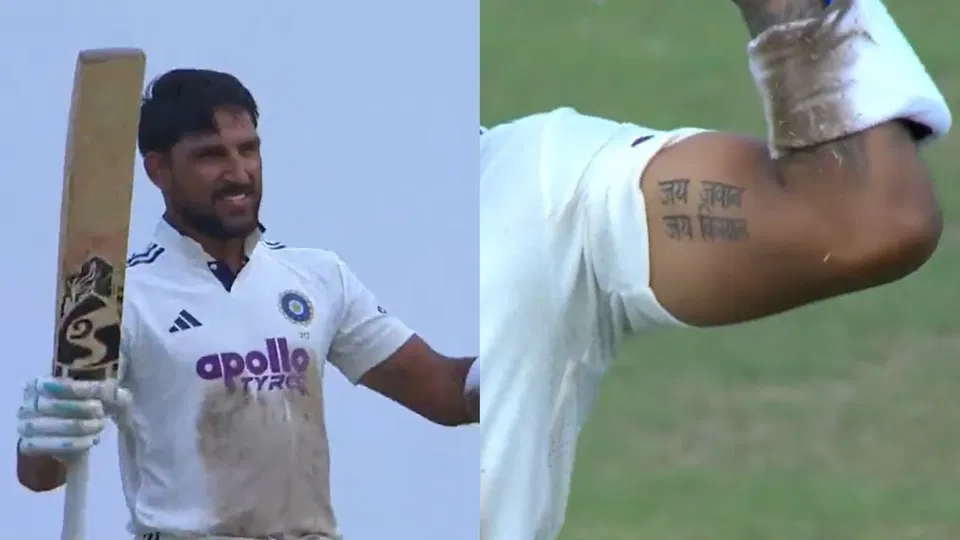
Rishabh Pant countered short balls smartly on Day 2 in Colombo. Image Credits: GettyFor someone as unorthodox as Rishabh Pant, the tactics need to be unorthodox too. Sri Lanka pacers tried to create unorthodox moments by repeatedly bowling short balls from the first Test. Across two Tests, he faced around 83.01% of balls shorter than 10 metres against fast bowlers.Defying geometry, Pant played shots from various positions, in the most unexpected parts of the ground. Asitha Fernando and Lahiru Kumara kept bowling short, and Pant dealt with them differently every time. On Day 2 in Colombo, however, he showed why he has found ways to score runs despite all the unorthodoxies involved.Rishabh Pant’s measured approach against short ballsRishabh Pant vs pace on lengths > 10 metresAsitha Fernando started with a near-yorker to double-bluff Rishabh Pant on Day 1, but quickly reverted to short deliveries. When Lahiru Kumara came into the attack after Tea, Sri Lanka persisted with the same tactic. This time, though, Pant could not time the shot. He missed an attempted pull, and the ball struck him on the forearm.After receiving treatment, Pant had to retire hurt and could not return to the crease until Day 2. When he finally did, the Sri Lankan pacers, unsurprisingly, went back to the same plan. Pant, however, came with a different response.Rather than taking on the short ball with the unconventional pull shots that had brought him runs but also left him nursing a painful blow, Pant was more measured. He ducked or swayed away from deliveries, occasionally taking the ball on his shoulder, but resisted the temptation to play a big shot. There was one exception: a pull that went out of the ground, but it came from a genuine down-leg delivery that was further taking the ball away with the angle.Also Read: Rishabh Pant Equals Virat Kohli's Test Feat Despite Missing Century Vs Sri LankaFor the most part, Pant was patient enough not to fall into the trap when Sri Lanka placed catching fielders at fine leg and deeper towards square leg. After ducking two consecutive short deliveries in the 96th over, he shaped up for another ferocious pull, only to check himself at the last moment and let the ball go.That showed a clear intent to stay longer at the crease and weave another substantial partnership with Dhruv Jurel. In the second Test, Pant left or swayed away from around 56.52% of deliveries shorter than 10 metres. In the first Test, that figure was just 36.36%. His strike rate against these lengths also dropped from 77.27 in the first Test to 52.17 in the second, while his dot-ball percentage rose from 63.63% to 73.91%.Sony Sports Network @SonySportsNetwk And just like that, Rishabh Pant is back to his old tricks! 😏🔥 Watch #SLvIND, 2nd Test, LIVE NOW on Sony Sports Network TV channels & Sony LIV. #SonySportsNetwork #SonyLIV #BeautifulGameOfTestCricket Aug 24, 2026, 12:20 PM Pant had, quite simply, shelved his attacking mode. And the change was not limited to leaving more deliveries. Even when he chose to make contact with the short ball, Pant was more deliberate about keeping it along the ground.The second delivery of the 98th over was a case in point. As Asitha Fernando targeted his shoulders with a short ball in the first session, Pant played the pull, but rolled his wrists over it to keep the ball down.Pant assessed the situationWhen Rishabh Pant returned to the crease early on Day 2, India had just lost Saransh Jain on the 11th ball of the day. They were 306/6 - a decent total, but far from safe.India still needed to get past 400, ideally 450, to put themselves in a strong position. Another wicket at that stage could have triggered a mini-collapse and left them with a below-par total. Pant knew he could not afford to throw his wicket away, particularly with he and Dhruv Jurel the last recognised pair.Sony Sports Network @SonySportsNetwk R IN RISHABH STANDS FOR RISK. 🤯 First ball after lunch. Pant takes the risk, and pays the price. 🥲 Watch #SLvIND, 2nd Test, LIVE NOW on Sony Sports Network TV channels & Sony LIV. #SonySportsNetwork #SonyLIV #BeautifulGameOfTestCricket Aug 24, 2026, 2:48 PM Sri Lanka were also unlikely to use their pacers for long spells. The two quicks bowled around three overs each from an end on average. Hence, Pant could afford to play them out, even if that meant suppressing his instinct to take on the short ball with those trademark pulls square of the wicket.Milking the spinnersThat patience eventually worked in his favour. Once the spinners came on, Pant was able to cash them in for runs, scoring 76.19% of his runs against them at a strike rate of 78.68, with seven boundaries. There was little assistance on offer for the slow bowlers, and once Pant neutralised the short-ball threat, scoring became considerably easier.He eventually added 112 with Jurel for the seventh wicket, helping India push past 500. But the real highlight of the innings was Pant’s awareness of the situation.Rishabh Pant's pitch map in 2nd TestThere was an obvious element of an ego battle when the pacers returned to the short ball after having forced him to retire hurt earlier in the innings. Pant also had something to prove after Lahiru Kumara had dismissed him with a short ball in the previous Test. Yet he tempered his natural instincts, waited for the pacers to relent, and, eventually, found himself facing spinners from both ends.This was not among Pant’s best knocks, nor were the conditions particularly difficult. Its value lay elsewhere. It was about recognising that the situation demanded him to shelve his natural game for the greater good. That is precisely what Rishabh Pant did to take India to safer shores.Also Read: Dhruv Jurel Breaks MS Dhoni's All-Time India Record In Sri Lanka