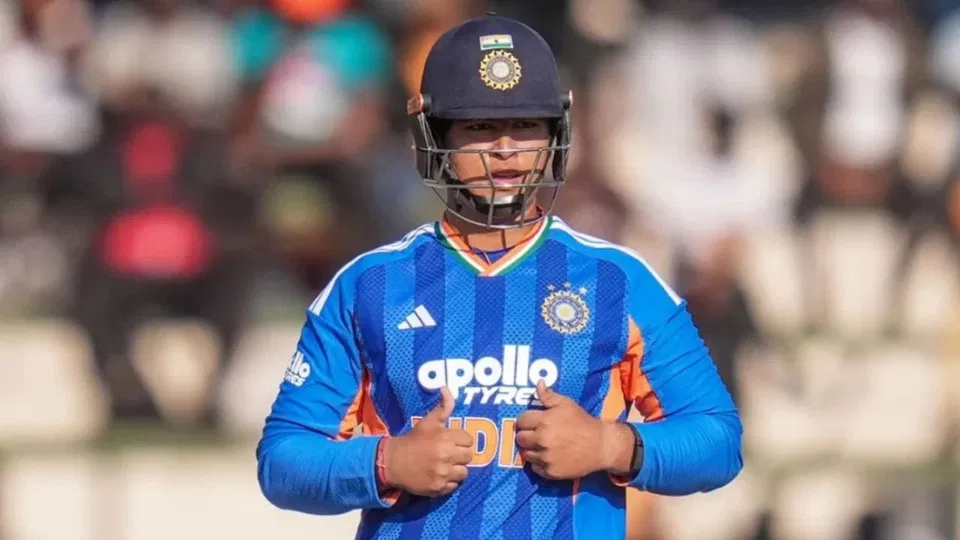
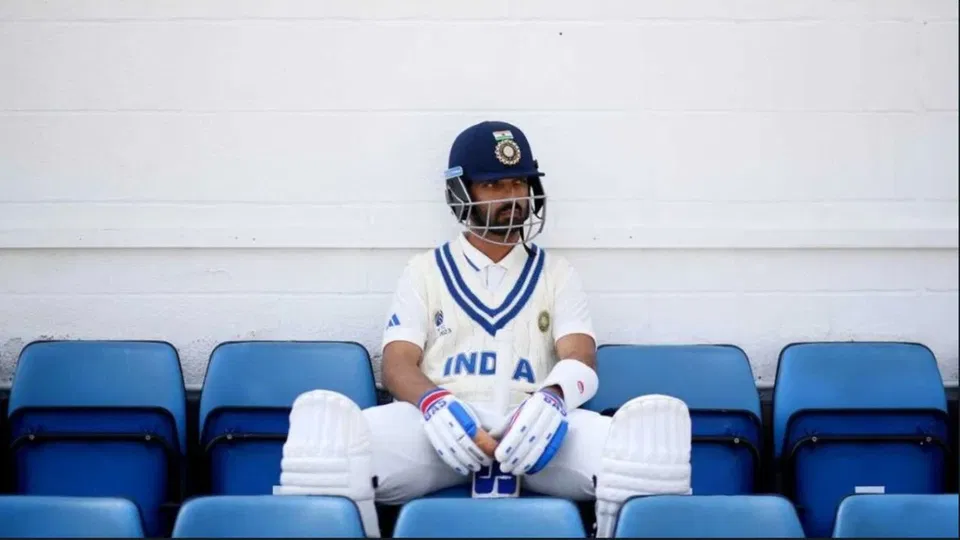
Dhruv Jurel and Rishabh Pant [Source: AP]The Ajit Agarkar-led BCCI selection committee announced India's squad for the upcoming two-match Test series against Sri Lanka, and as expected, first-choice wicketkeeper-batter Rishabh Pant retained his place in the squad despite enduring a disappointing Test tour of South Africa and a modest knock against Afghanistan.Dhruv Jurel, meanwhile, was once again named as India's second wicketkeeper. It has now become a recurring trend under Gautam Gambhir, with Jurel travelling on almost every Test tour and gradually cementing himself as Pant's immediate backup.While Pant still remains India's undisputed first-choice wicketkeeper in red-ball cricket, the competition behind him is becoming increasingly serious. Jurel has consistently impressed whenever opportunities have come his way, both with the bat and behind the stumps.But is Jurel actually close enough to replace Pant in India's Test setup? To understand where both players stand today, it is only fair to compare how they performed after their first 10 Test matches and what the future holds for them.Batting numbers after 10 Test matches: Who is ahead?The first thing that stands out is batting output. After 10 Test matches, Rishabh Pant had scored 727 runs at an average of 45.44, including one century and two half-centuries. Dhruv Jurel, on the other hand, has accumulated 478 runs at 34.14, with one century and one fifty.Pant has scored 249 more runs, while averaging over 11 runs better per dismissal than Jurel after the same number of Tests. CriteriaSelectAdd Row AboveAdd Row BelowAdd Column RightAdd Column LeftDelete RowDelete ColumnDelete TableRishabh PantSelectAdd Row AboveAdd Row BelowAdd Column RightAdd Column LeftDelete RowDelete ColumnDelete TableDhruv JurelSelectAdd Row AboveAdd Row BelowAdd Column RightAdd Column LeftDelete RowDelete ColumnDelete TableRunsSelectAdd Row AboveAdd Row BelowAdd Column RightAdd Column LeftDelete RowDelete ColumnDelete Table727SelectAdd Row AboveAdd Row BelowAdd Column RightAdd Column LeftDelete RowDelete ColumnDelete Table478SelectAdd Row AboveAdd Row BelowAdd Column RightAdd Column LeftDelete RowDelete ColumnDelete TableAverageSelectAdd Row AboveAdd Row BelowAdd Column RightAdd Column LeftDelete RowDelete ColumnDelete Table45.44SelectAdd Row AboveAdd Row BelowAdd Column RightAdd Column LeftDelete RowDelete ColumnDelete Table34.14SelectAdd Row AboveAdd Row BelowAdd Column RightAdd Column LeftDelete RowDelete ColumnDelete TableHundredsSelectAdd Row AboveAdd Row BelowAdd Column RightAdd Column LeftDelete RowDelete ColumnDelete Table1SelectAdd Row AboveAdd Row BelowAdd Column RightAdd Column LeftDelete RowDelete ColumnDelete Table1SelectAdd Row AboveAdd Row BelowAdd Column RightAdd Column LeftDelete RowDelete ColumnDelete TableFiftiesSelectAdd Row AboveAdd Row BelowAdd Column RightAdd Column LeftDelete RowDelete ColumnDelete Table2SelectAdd Row AboveAdd Row BelowAdd Column RightAdd Column LeftDelete RowDelete ColumnDelete Table1SelectAdd Row AboveAdd Row BelowAdd Column RightAdd Column LeftDelete RowDelete ColumnDelete TableHighest ScoreSelectAdd Row AboveAdd Row BelowAdd Column RightAdd Column LeftDelete RowDelete ColumnDelete Table159*SelectAdd Row AboveAdd Row BelowAdd Column RightAdd Column LeftDelete RowDelete ColumnDelete Table125SelectAdd Row AboveAdd Row BelowAdd Column RightAdd Column LeftDelete RowDelete ColumnDelete Table [Rishabh Pant vs Dhruv Jurel first 10 Tests]However, raw numbers do not tell the complete story. Unlike Pant, who has predominantly batted at No.5 and occasionally No.6, Jurel has largely been deployed at No.6 and No.7, often walking in after India's specialist batters have already done most of the scoring. Lower-order batters naturally receive fewer opportunities to build big innings and often have to bat with the tail. That context partly explains why Jurel's batting numbers appear slightly inferior despite showing remarkable composure in pressure situations.Intent separates Pant from almost every wicketkeeper-batterIf averages showcase consistency, strike rate reflects intent. Right from his debut series in England, Pant never looked interested in merely surviving. His aggressive mindset completely transformed India's lower middle order and forced opposition captains to rethink their bowling plans. PlayerSelectAdd Row AboveAdd Row BelowAdd Column RightAdd Column LeftDelete RowDelete ColumnDelete TableRunsSelectAdd Row AboveAdd Row BelowAdd Column RightAdd Column LeftDelete RowDelete ColumnDelete TableStrike RateSelectAdd Row AboveAdd Row BelowAdd Column RightAdd Column LeftDelete RowDelete ColumnDelete TableRishabh PantSelectAdd Row AboveAdd Row BelowAdd Column RightAdd Column LeftDelete RowDelete ColumnDelete Table727SelectAdd Row AboveAdd Row BelowAdd Column RightAdd Column LeftDelete RowDelete ColumnDelete Table73.65SelectAdd Row AboveAdd Row BelowAdd Column RightAdd Column LeftDelete RowDelete ColumnDelete TableDhruv JurelSelectAdd Row AboveAdd Row BelowAdd Column RightAdd Column LeftDelete RowDelete ColumnDelete Table478SelectAdd Row AboveAdd Row BelowAdd Column RightAdd Column LeftDelete RowDelete ColumnDelete Table55.9SelectAdd Row AboveAdd Row BelowAdd Column RightAdd Column LeftDelete RowDelete ColumnDelete Table [Rishabh Pant vs Dhruv Jurel first 10 Tests]Pant has scored his runs nearly 18 runs quicker every 100 balls than Dhruv Jurel. That attacking mindset has always been Pant's biggest strength. Whether facing James Anderson in England or Nathan Lyon in Australia, Pant consistently looked to put bowlers under pressure instead of allowing them to settle.Jurel, meanwhile, belongs to a different batting mould altogether. He is technically compact, values his wicket and prefers constructing innings patiently before accelerating later. Neither approach is incorrect.But Pant's naturally aggressive game has often changed the momentum of Test matches, making him a unique asset in India's batting lineup.Also Read- Shubman Gill Loses Faith In BCCI's Medical Team, Seeks Help From OutsideBehind the stumps, Jurel has quietly matched PantBatting may favour Rishabh Pant, but wicketkeeping tells a far more interesting story. After their first 10 Tests, Pant had completed 47 dismissals behind the stumps, while Jurel has registered 15 dismissals.At first glance, the comparison looks one-sided. However, Pant kept wickets in 17 innings, whereas Jurel has only kept in 10 innings, with KL Rahul or Pant taking over the gloves in several matches despite Jurel being in the playing XI.Looking at dismissals per keeping innings paints a much fairer picture. Pant still enjoys the edge statistically. Yet Jurel deserves significant credit for his clean glove work. He has hardly committed glaring errors, has shown safe hands standing back to the seamers as well as up to the spinners, and has looked increasingly confident with every series.The fact that India continue picking him as Pant's understudy across overseas tours indicates the management's growing faith in his wicketkeeping abilities despite a poor domestic run as well in 2026.Statistical comparison of Dhruv Jurel and Rishabh PantLet's take a look at the batting effectiveness index for both the players.Batting Effectiveness Index MetricSelectAdd Row AboveAdd Row BelowAdd Column RightAdd Column LeftDelete RowDelete ColumnDelete TableRishabh PantSelectAdd Row AboveAdd Row BelowAdd Column RightAdd Column LeftDelete RowDelete ColumnDelete TableDhruv JurelSelectAdd Row AboveAdd Row BelowAdd Column RightAdd Column LeftDelete RowDelete ColumnDelete TableEdgeSelectAdd Row AboveAdd Row BelowAdd Column RightAdd Column LeftDelete RowDelete ColumnDelete TableRunsSelectAdd Row AboveAdd Row BelowAdd Column RightAdd Column LeftDelete RowDelete ColumnDelete Table727SelectAdd Row AboveAdd Row BelowAdd Column RightAdd Column LeftDelete RowDelete ColumnDelete Table478SelectAdd Row AboveAdd Row BelowAdd Column RightAdd Column LeftDelete RowDelete ColumnDelete TablePant (+52.1%)SelectAdd Row AboveAdd Row BelowAdd Column RightAdd Column LeftDelete RowDelete ColumnDelete TableBatting AverageSelectAdd Row AboveAdd Row BelowAdd Column RightAdd Column LeftDelete RowDelete ColumnDelete Table45.44SelectAdd Row AboveAdd Row BelowAdd Column RightAdd Column LeftDelete RowDelete ColumnDelete Table34.14SelectAdd Row AboveAdd Row BelowAdd Column RightAdd Column LeftDelete RowDelete ColumnDelete TablePant (+33.1%)SelectAdd Row AboveAdd Row BelowAdd Column RightAdd Column LeftDelete RowDelete ColumnDelete TableRuns per MatchSelectAdd Row AboveAdd Row BelowAdd Column RightAdd Column LeftDelete RowDelete ColumnDelete Table72.7SelectAdd Row AboveAdd Row BelowAdd Column RightAdd Column LeftDelete RowDelete ColumnDelete Table47.8SelectAdd Row AboveAdd Row BelowAdd Column RightAdd Column LeftDelete RowDelete ColumnDelete TablePantSelectAdd Row AboveAdd Row BelowAdd Column RightAdd Column LeftDelete RowDelete ColumnDelete Table50+ Score FrequencySelectAdd Row AboveAdd Row BelowAdd Column RightAdd Column LeftDelete RowDelete ColumnDelete Table30% (3 in 10 Tests)SelectAdd Row AboveAdd Row BelowAdd Column RightAdd Column LeftDelete RowDelete ColumnDelete Table20% (2 in 10 Tests)SelectAdd Row AboveAdd Row BelowAdd Column RightAdd Column LeftDelete RowDelete ColumnDelete TablePantSelectAdd Row AboveAdd Row BelowAdd Column RightAdd Column LeftDelete RowDelete ColumnDelete TableHundred ConversionSelectAdd Row AboveAdd Row BelowAdd Column RightAdd Column LeftDelete RowDelete ColumnDelete Table33.30%SelectAdd Row AboveAdd Row BelowAdd Column RightAdd Column LeftDelete RowDelete ColumnDelete Table50%SelectAdd Row AboveAdd Row BelowAdd Column RightAdd Column LeftDelete RowDelete ColumnDelete TableJurelSelectAdd Row AboveAdd Row BelowAdd Column RightAdd Column LeftDelete RowDelete ColumnDelete TableStrike RateSelectAdd Row AboveAdd Row BelowAdd Column RightAdd Column LeftDelete RowDelete ColumnDelete Table73.6SelectAdd Row AboveAdd Row BelowAdd Column RightAdd Column LeftDelete RowDelete ColumnDelete Table55.9SelectAdd Row AboveAdd Row BelowAdd Column RightAdd Column LeftDelete RowDelete ColumnDelete TablePant (+31.7%)SelectAdd Row AboveAdd Row BelowAdd Column RightAdd Column LeftDelete RowDelete ColumnDelete Table Batting Effectiveness Score PlayerSelectAdd Row AboveAdd Row BelowAdd Column RightAdd Column LeftDelete RowDelete ColumnDelete TableRun OutputSelectAdd Row AboveAdd Row BelowAdd Column RightAdd Column LeftDelete RowDelete ColumnDelete TableConsistencySelectAdd Row AboveAdd Row BelowAdd Column RightAdd Column LeftDelete RowDelete ColumnDelete TableIntentSelectAdd Row AboveAdd Row BelowAdd Column RightAdd Column LeftDelete RowDelete ColumnDelete TableOverall Batting IndexSelectAdd Row AboveAdd Row BelowAdd Column RightAdd Column LeftDelete RowDelete ColumnDelete TableRishabh PantSelectAdd Row AboveAdd Row BelowAdd Column RightAdd Column LeftDelete RowDelete ColumnDelete Table40SelectAdd Row AboveAdd Row BelowAdd Column RightAdd Column LeftDelete RowDelete ColumnDelete Table35SelectAdd Row AboveAdd Row BelowAdd Column RightAdd Column LeftDelete RowDelete ColumnDelete Table25SelectAdd Row AboveAdd Row BelowAdd Column RightAdd Column LeftDelete RowDelete ColumnDelete Table100SelectAdd Row AboveAdd Row BelowAdd Column RightAdd Column LeftDelete RowDelete ColumnDelete TableDhruv JurelSelectAdd Row AboveAdd Row BelowAdd Column RightAdd Column LeftDelete RowDelete ColumnDelete Table26.3SelectAdd Row AboveAdd Row BelowAdd Column RightAdd Column LeftDelete RowDelete ColumnDelete Table26.3SelectAdd Row AboveAdd Row BelowAdd Column RightAdd Column LeftDelete RowDelete ColumnDelete Table19SelectAdd Row AboveAdd Row BelowAdd Column RightAdd Column LeftDelete RowDelete ColumnDelete Table71.6SelectAdd Row AboveAdd Row BelowAdd Column RightAdd Column LeftDelete RowDelete ColumnDelete Table The numbers suggest Pant was around 28-30% more effective as a batter than Jurel after their respective first 10 Tests. His superiority isn't just because he scored more runs, he also scored them at a significantly quicker rate while maintaining a better average. Wicketkeeping Effectiveness MetricSelectAdd Row AboveAdd Row BelowAdd Column RightAdd Column LeftDelete RowDelete ColumnDelete TableRishabh PantSelectAdd Row AboveAdd Row BelowAdd Column RightAdd Column LeftDelete RowDelete ColumnDelete TableDhruv JurelSelectAdd Row AboveAdd Row BelowAdd Column RightAdd Column LeftDelete RowDelete ColumnDelete TableEdgeSelectAdd Row AboveAdd Row BelowAdd Column RightAdd Column LeftDelete RowDelete ColumnDelete TableKeeping InningsSelectAdd Row AboveAdd Row BelowAdd Column RightAdd Column LeftDelete RowDelete ColumnDelete Table17SelectAdd Row AboveAdd Row BelowAdd Column RightAdd Column LeftDelete RowDelete ColumnDelete Table10SelectAdd Row AboveAdd Row BelowAdd Column RightAdd Column LeftDelete RowDelete ColumnDelete TableNoneSelectAdd Row AboveAdd Row BelowAdd Column RightAdd Column LeftDelete RowDelete ColumnDelete TableCatchesSelectAdd Row AboveAdd Row BelowAdd Column RightAdd Column LeftDelete RowDelete ColumnDelete Table45SelectAdd Row AboveAdd Row BelowAdd Column RightAdd Column LeftDelete RowDelete ColumnDelete Table13SelectAdd Row AboveAdd Row BelowAdd Column RightAdd Column LeftDelete RowDelete ColumnDelete TablePantSelectAdd Row AboveAdd Row BelowAdd Column RightAdd Column LeftDelete RowDelete ColumnDelete TableStumpingsSelectAdd Row AboveAdd Row BelowAdd Column RightAdd Column LeftDelete RowDelete ColumnDelete Table2SelectAdd Row AboveAdd Row BelowAdd Column RightAdd Column LeftDelete RowDelete ColumnDelete Table2SelectAdd Row AboveAdd Row BelowAdd Column RightAdd Column LeftDelete RowDelete ColumnDelete TableNoneSelectAdd Row AboveAdd Row BelowAdd Column RightAdd Column LeftDelete RowDelete ColumnDelete TableTotal DismissalsSelectAdd Row AboveAdd Row BelowAdd Column RightAdd Column LeftDelete RowDelete ColumnDelete Table47SelectAdd Row AboveAdd Row BelowAdd Column RightAdd Column LeftDelete RowDelete ColumnDelete Table15SelectAdd Row AboveAdd Row BelowAdd Column RightAdd Column LeftDelete RowDelete ColumnDelete TablePantSelectAdd Row AboveAdd Row BelowAdd Column RightAdd Column LeftDelete RowDelete ColumnDelete TableDismissals per Keeping InningsSelectAdd Row AboveAdd Row BelowAdd Column RightAdd Column LeftDelete RowDelete ColumnDelete Table2.76SelectAdd Row AboveAdd Row BelowAdd Column RightAdd Column LeftDelete RowDelete ColumnDelete Table1.5SelectAdd Row AboveAdd Row BelowAdd Column RightAdd Column LeftDelete RowDelete ColumnDelete TablePant (+84%)SelectAdd Row AboveAdd Row BelowAdd Column RightAdd Column LeftDelete RowDelete ColumnDelete TableCatch Efficiency (Catches per Keeping Innings)SelectAdd Row AboveAdd Row BelowAdd Column RightAdd Column LeftDelete RowDelete ColumnDelete Table2.76SelectAdd Row AboveAdd Row BelowAdd Column RightAdd Column LeftDelete RowDelete ColumnDelete Table1.4SelectAdd Row AboveAdd Row BelowAdd Column RightAdd Column LeftDelete RowDelete ColumnDelete TablePantSelectAdd Row AboveAdd Row BelowAdd Column RightAdd Column LeftDelete RowDelete ColumnDelete Table From the above data, it can be concluded that Rishabh Pant is 44% more effective than Jurel behind the stumps, given his bigger exposure with the gloves for Indian Test team.How close is Dhruv Jurel to replacing Rishabh Pant?Purely from the numbers after 10 Test matches, the answer is fairly straightforward. Pant remains ahead.He has scored considerably more runs, averages better and brings an attacking dimension that very few wicketkeeper-batters in world cricket possess. His ability to single-handedly change the course of a Test innings still makes him India's first-choice keeper-batter.However, the gap is no longer as comfortable as it once seemed. Jurel has proved that he belongs at this level. His temperament, compact technique and reliable wicketkeeping have made him one of India's most dependable squad members despite playing far fewer innings in his preferred batting position.For now, Rishabh Pant's place remains secure because his overall impact after the first 10 Tests was superior. But international cricket is brutally unforgiving.If Pant continues struggling for runs over an extended period, say the next eight to ten Tests, the selectors will eventually have to ask difficult questions. And when that moment arrives, Dhruv Jurel is undoubtedly the first name waiting in line.Also Read- Is AB de Villiers Right Questioning Rishabh Pant's Test Selection Based On IPL 2026?






.jpg?type=mq "After Announcing Stephen Fleming, England Denies Him Coaching vs Pakistan Tests")