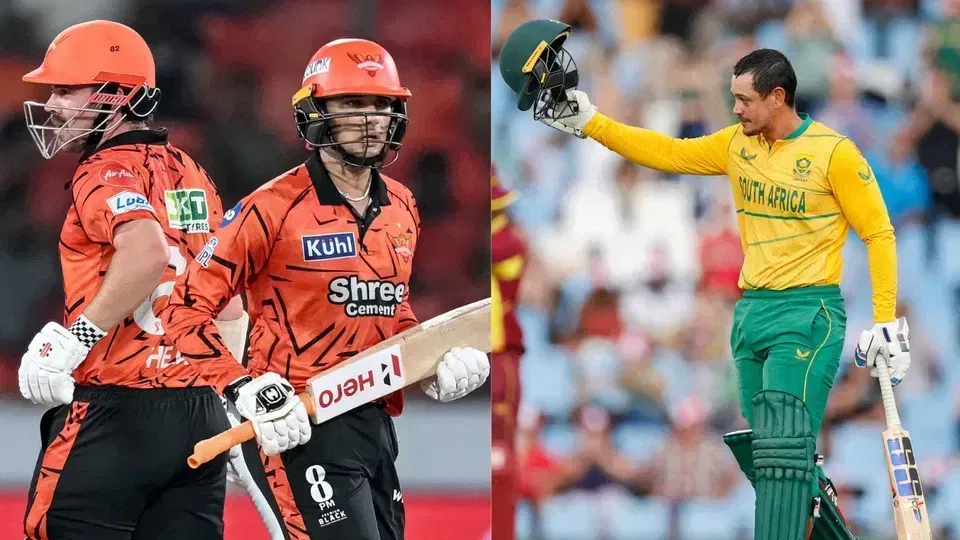
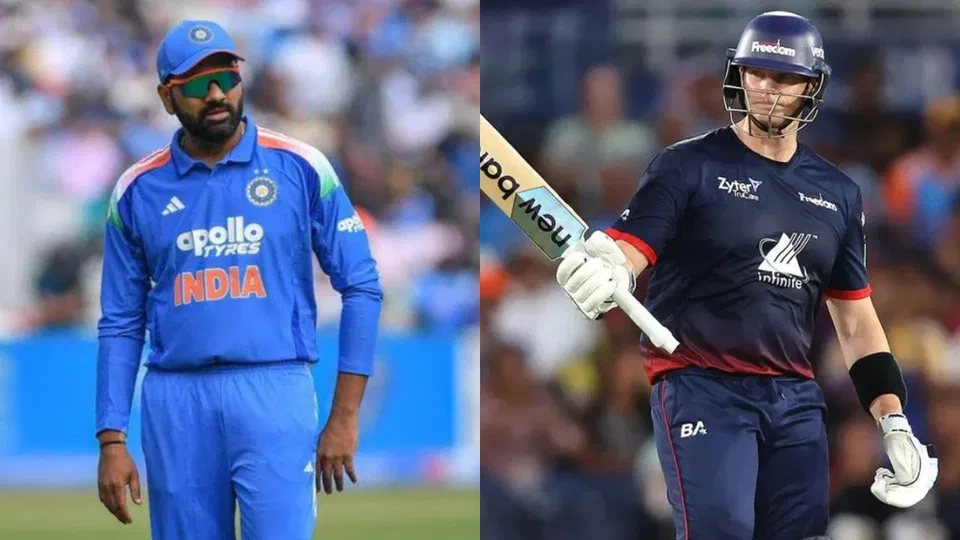
![Steve Smith, Vaibhav Sooryavanshi and Nicholas Pooran [Source: MLC and BCCI]](https://onecricketnews.akamaized.net/parth-editor/oc-dashboard/news-images-prod/1784202041695_SteveSmithSooryavanshiandPooran.jpg?type=hq) Steve Smith, Vaibhav Sooryavanshi and Nicholas Pooran [Source: MLC and BCCI]
Steve Smith, Vaibhav Sooryavanshi and Nicholas Pooran [Source: MLC and BCCI]
T20 cricket was created to entertain. It was meant to bring new audiences to the game through fast-paced action, big sixes and thrilling finishes. For years, it has done exactly that. But somewhere along the way, the format appears to have crossed a line.
The Eliminator between MI New York and Washington Freedom in Major League Cricket 2026 felt like a warning. A match featuring 536 runs, three centuries, 51 sixes and the highest successful chase in T20 history left everyone in awe.
Yet it also sparked an uncomfortable question, if bowlers are reduced to spectators, is this still cricket as we know it?
T20 cricket has undoubtedly transformed the sport, but the same format that revolutionised the game may now be slowly pushing itself towards saturation.
The MLC blockbuster exposed T20 cricket's growing imbalance
The numbers from the MLC Eliminator were extraordinary. MI New York piled up 266/9 in 20 overs. Washington Freedom responded with 270/4 in just 18.4 overs to complete the highest successful chase in T20 history.
Nicholas Pooran smashed a 31-ball century. Steve Smith followed with a hundred in the chase. Andries Gous also reached three figures, making it the first-ever men's T20 match to feature three centurions.
The match also produced:
- 536 combined runs — the second-highest aggregate in T20 history.
- 51 sixes — the most ever in a men's T20 match.
- A record 267-run chase.
- Five batters scoring at strike rates above 200.
When a team scores 266 and still loses comfortably with eight balls remaining, the balance between bat and ball has clearly tilted too far in one direction.
Batters are being rewarded, while bowlers are being left behind
This isn't just about one MLC match. Over the last few years, franchise cricket has consistently moved towards creating batting spectacles.
Flat pitches have become the norm. Boundaries continue to shrink at several venues. Rule changes such as the IPL's Impact Player rule have allowed teams to extend their batting till No. 8, encouraging fearless strokeplay without worrying about collapses.
The result is evident. Scoring 200 once felt like a match-winning total. Today, it often feels below par.
Bowlers have almost no room for error. A good delivery can still disappear for six because modern bats are bigger, boundaries are shorter, and batters arrive with only one objective, and that is to attack every ball.
Instead of rewarding skill and execution, T20 cricket is increasingly rewarding raw power.
IPL has already shown where the game is heading
The IPL has been the biggest example of this transformation. Young sensation Vaibhav Sooryavanshi announced himself with fearless batting, smashing a breathtaking 38-ball century during IPL 2025.
At one stage, it even looked possible that Chris Gayle's iconic 30-ball hundred could come under threat. Across the tournament, 200-plus scores became increasingly common, while six-hitting records continued to tumble.
There is no denying that these innings are spectacular to watch. However, when almost every venue produces batting-friendly surfaces and bowlers are expected to defend impossible totals every other night, the contest gradually loses its essence.
The greatest attraction of cricket has always been the battle between bat and ball. Take away one side of that battle, and the sport slowly starts losing its identity.
Also Read- India Star Punished By ICC For Violent Behaviour Ahead Of 2nd ODI Vs England
The worrying effect is now visible in international cricket
Perhaps the biggest concern lies beyond T20 leagues. Many of the same batters who dominate franchise cricket struggle to replicate that success in ODIs and Test cricket.
The reason isn't necessarily a lack of talent. Modern T20 batting has conditioned players to attack from the very first delivery. Building an innings, absorbing pressure and respecting difficult bowling spells are becoming increasingly rare skills.
Test cricket still demands patience, technique and the ability to leave deliveries outside off stump. ODI cricket still rewards players capable of pacing an innings over 50 overs.
But several batters like Vaibhav Sooryavanshi now arrive with the same T20 mindset regardless of the format. Instead of getting under the skin of the game, many look to hit their way out of trouble. The consequence is quick dismissals, collapses and a growing inability to anchor innings when conditions become challenging.
Is cricket chasing entertainment at the cost of competition?
There is an obvious commercial reason behind this shift. Broadcasters, leagues and cricket boards understand what attracts viewers.
Towering sixes. Huge totals. Last-over thrillers. Fast scoring. These moments generate highlights, social media engagement and television ratings.
Naturally, franchises prepare flatter wickets because boundaries sell the product better than defensive bowling spells.
But there is also a long-term risk. Entertainment alone cannot sustain interest forever. Fans don't remember great cricket only because someone scored 120 off 45 balls. They remember iconic contests where both batters and bowlers kept finding ways to outsmart each other.
Think of Jasprit Bumrah defending impossible totals. Think of Dale Steyn frightening the world's best batters. Think of Shane Warne, Muttiah Muralitharan or Lasith Malinga changing matches through sheer bowling brilliance.
Those moments mattered because there was genuine uncertainty. If every match becomes a batting exhibition, the unpredictability that defines cricket slowly disappears.
T20 cricket may be writing its own ending
T20 cricket remains the biggest commercial success the sport has ever seen. It has expanded cricket globally, created new stars and brought millions of new fans into the game.
But success should not come at the expense of balance. The MLC 2026 Eliminator may be remembered as one of the greatest T20 matches ever played. Yet it should also serve as a reminder that cricket cannot survive as a one-sided spectacle forever.
If pitches continue becoming flatter, boundaries continue shrinking and every rule continues favouring batters, audiences may eventually stop appreciating extraordinary batting because it will simply become ordinary.
The beauty of cricket has never been about sixes alone. It has always been about the battle. And if bowlers are no longer allowed to fight back, T20 cricket may eventually be scripting its own death.
Also Read- Craig Overton Does The Unthinkable To Take Somerset Home In T20 Blast
.jpg?type=mq "Joe Root Scripts Another ODI Masterclass")