





 Image Credits: AFP
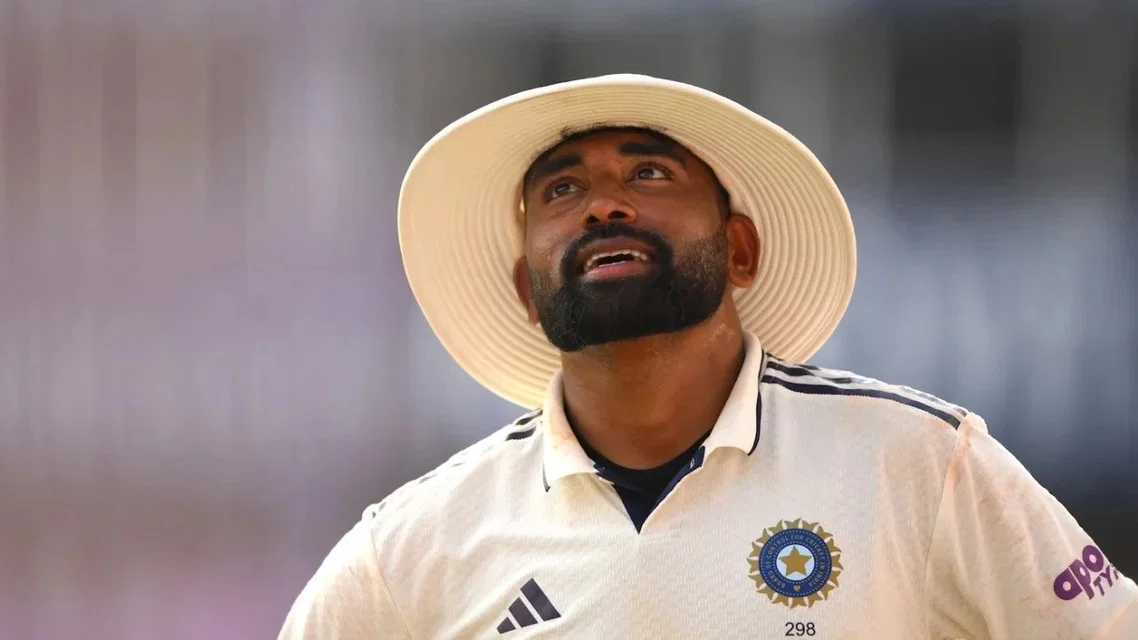
It’s tough and sometimes also confusing to be Mohammed Siraj. He’s among those mismanaged players under India’s current management, someone who doesn’t exactly know what comes next or in what capacity. Being an Indian player, there’s little room to complain either.
But having gone from being India’s leading pacer in Jasprit Bumrah’s absence, at least in the two longer formats, to not even being assured of a place in the squad, Siraj might well be wondering what he did wrong. And whether there’s any justification for how management has treated him.
Initially, Siraj was named in both the ODI and Test squads for the New Zealand tour. However, he got his first opportunity in the ODI series only after a few players left to prepare for the Tests. Had that not happened, he might well have spent the entire rubber on the sidelines.
But in Tests, at least, Mohammed Siraj might be justified in believing that he remains the second-best option and a certain starter in seam-friendly conditions. His performances have earned him that right. Or have they?

Shubman Gill’s press briefing two days before the first Test indicates India might well prefer batting depth, even if they are willing to play four seamers.
“Ideally, we are looking at seven proper batsmen, and then the (number) 8 and 9 would be depending on. Akash can bat a bit; Anshul can bat a bit. Even if we go with Reddy, he is a proper batsman.”
Jasprit Bumrah is the world's best bowler and will lead the pack. India will also have at least one hit-the-deck seamer between Prasidh Krishna and Gurnoor Brar to operate with the old ball. In that scenario, Siraj might have to sit out again.
Why India need to find a way for Mohammed Siraj
At this stage, Mohammed Siraj clearly doesn’t quite fit the prototype India’s current management seems to want in its bowlers. He isn’t tall enough to be an out-and-out hit-the-deck pacer, nor does he offer enough batting value down the order. And, of course, he isn’t Jasprit Bumrah either.
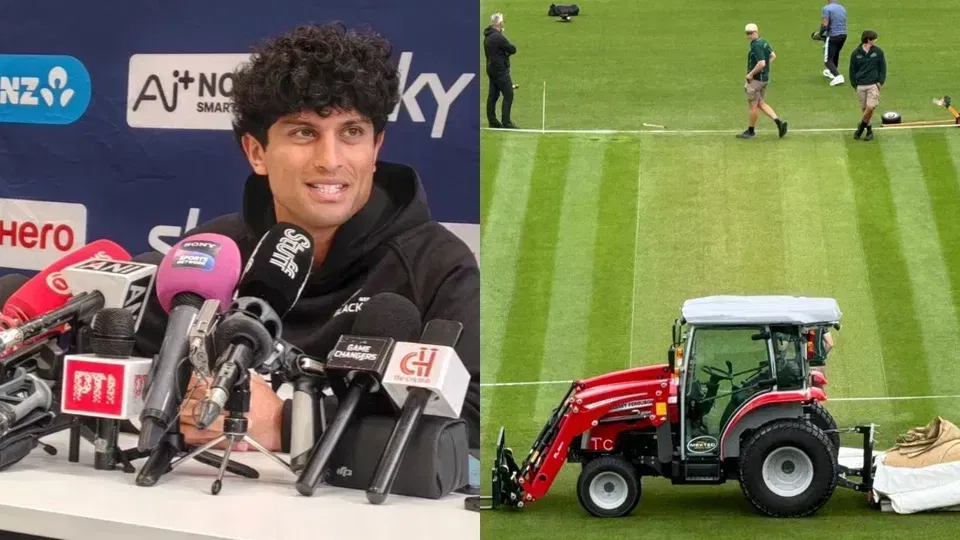
But Siraj remains India’s second-most experienced pacer and brings certain skills that are difficult to replicate among the other bowlers in the squad. For starters, his three-quarter seam delivery could be particularly effective on New Zealand pitches, which will reportedly have plenty of grass. At least over the first three days, Siraj can hit the seam and extract unpredictable lateral movement, complementing his natural angle into right-handers and occasional wobble-seam deliveries.
He’s also more capable than Akash Deep, who has some attributes to be effective on these decks but can sometimes fail to pitch a fraction fuller. In last month’s A games, he was among the least threatening pacers, taking just three wickets at 47 runs apiece across three innings. More importantly, Akash and even Anshul Kamboj, to an extent, need more assistance from the pitch to make an impact.
Siraj, on the other hand, can bowl long spells and provide control from one end. Since 2024, he has averaged 17.16 overs per innings in Tests outside the subcontinent. In those matches, his bowling average of 28.30 and three five-wicket hauls have both been bettered only by Bumrah.
Some of that was also evident in the second Test against New Zealand A in Christchurch, where Siraj bowled 35 overs, the most by any bowler from either side in an innings, and picked up four wickets. He is the kind of workhorse India need over a long Test, especially as the pitch tends to ease out as the match progresses, irrespective of how much grass it carries initially.
"We have seen at times on days three, four and five, the wicket, especially with the old ball, does go a little bit flat, so from our fast-bowling unit, we would want someone who has pace, someone who can hit the areas consistently,” Gill said at the press conference.
In three Tests since 2024, fast bowlers have collectively averaged 25.95 across the first two innings, but that figure rises to 28.87 in the final two.
With Wellington’s gusty winds adding another dimension, India might also turn to Ravindra Jadeja from the favourable end later in the game to use the wind to aid drift with the old ball. In that context, Siraj’s presence could allow India to rotate their attack and use Jasprit Bumrah and Prasidh Krishna/Gurnoor Brar more aggressively in shorter spells.
Siraj coming in with a reasonable workload
Despite all the mismanagement, Mohammed Siraj might have had just the right build-up to the Test series, whether by design or by chance. After playing the final ODI against the West Indies, he featured in two Ranji Trophy matches, bowling 33 overs across four innings, before turning out in another first-class game in New Zealand. And while he was unlucky to miss the fourth ODI, Siraj played the final game of the series and looked in excellent form.
As a rhythm bowler, Siraj could hardly have asked for better preparation, and he has also had enough time to acclimatise to the weather and conditions.
There are, therefore, expectations that he will bowl with greater pace and intensity than he did in Sri Lanka, where he appeared short of both rhythm and flow. When in rhythm, Siraj offers almost everything the team wants from a fast bowler: the ability to bowl extended spells, hit the right lengths and bend his back.
There is little reason to leave Siraj out simply because he isn’t built to hit the deck hard with a high-arm release or doesn’t offer as much with the bat as some of the other bowlers. Over the course of a long Test, specialist batters should do their job, while India will pick a specialist hit-the-deck seamer to play that enforcer role.
Besides, Siraj isn’t entirely incapable with the bat either. He showed as much in the final ODI, when he put together a timely 26-run stand with Arshdeep Singh that proved match-winning.
It’s already tough enough being Mohammed Siraj. Overlooking him in Tests for the very shortcomings others are expected to compensate for would only compound his predicament.
.jpg?type=mq "Babar Azam's embarrassing dismissal")