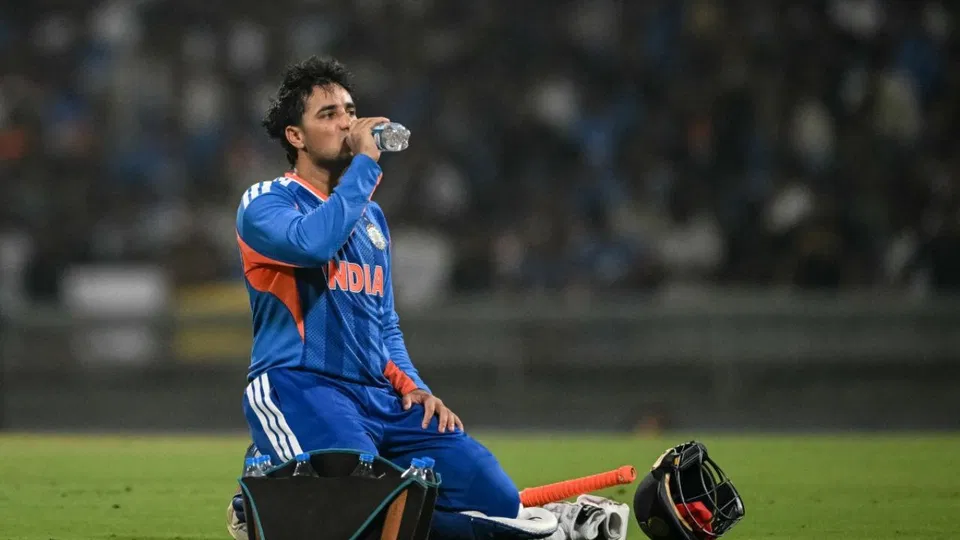
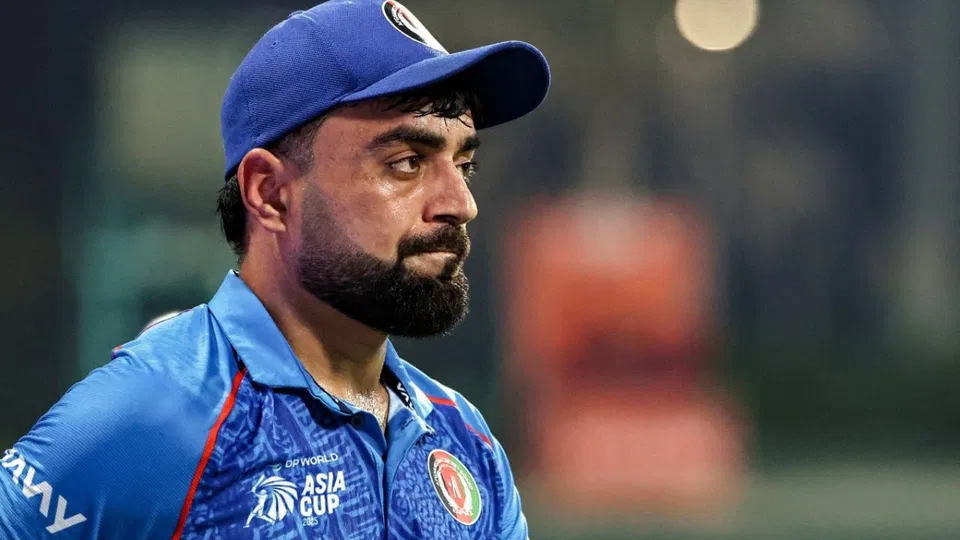
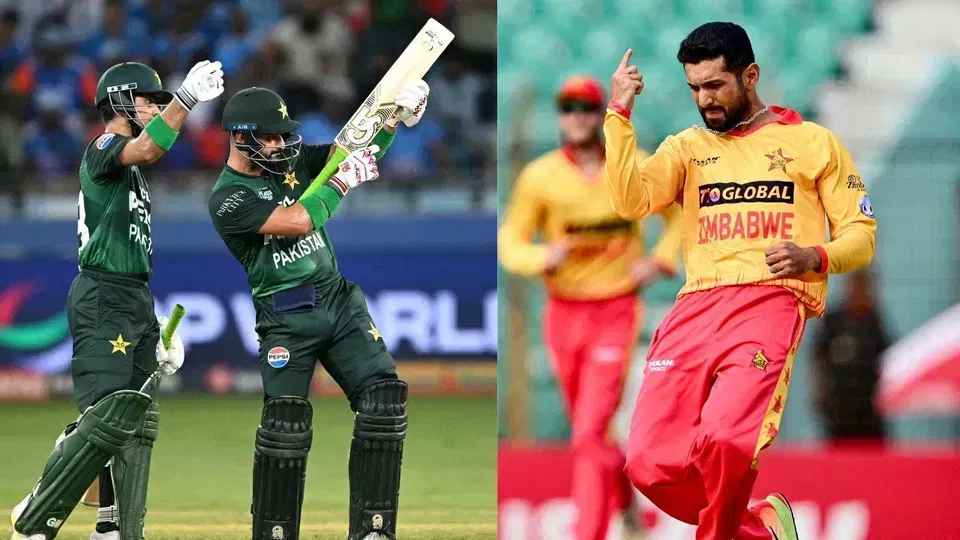
Double Super Over rules explained. [Source - AFP Photos]Ahmedabad hosted a breathtaking T20 World Cup 2026 clash as South Africa narrowly defeated Afghanistan in a rare double Super Over. After the main match ended in a tie, both teams pushed each other to the limit in the first Super Over, only for scores to be level again, triggering a second decider.A double Super Over occurs when the first Super Over ends in a tie, giving teams another over to settle the contest and making fans go berserk. Standard rules apply that each side bats for one over with three wickets, bowlers cannot repeat their previous over, and boundary and fielding restrictions remain in force. The dramatic finish highlighted the importance of understanding double Super Over protocols for both players, experts and the ones watching the game. Many viewers were left confused by certain moments, prompting a clear explanation of double Super Over regulations. Why Lungi Ngidi and Fazalhaq Farooqi didn’t bowl in the second Super Over Lungi Ngidi and Fazalhaq Farooqi had bowled the first Super Over for South Africa and Afghanistan, respectively. According to the rules, a bowler who delivers in one Super Over cannot bowl again if the contest extends to a second, ensuring fairness and giving other bowlers a chance. Both pacers had given their all in the first over, conceding 17 runs each. With the match moving into double Super Over, the responsibility shifted to Azmatullah Omarzai for Afghanistan and Keshav Maharaj for South Africa. These changes kept the contest dynamic and highlighted strategic depth under extreme pressure. Why South Africa batted first in the second Super Over In the main 20-over game, South Africa batted first, so Afghanistan chased and tied the scores. In the first Super Over, Afghanistan batted first, and South Africa chased, managing to tie again. This set the stage for the second Super Over with roles reversed. According to the rules, the team that chased in the previous Super Over must bat first in the next. This ensures no side sets or chases targets twice in a row. So, with South Africa having chased the first Super Over, they were required to take strike first in the second Super Over. Why Dewald Brevis didn’t bat in the second Super Over Tristan Stubbs and David Miller returned to bat in South Africa’s second Super Over, but Dewald Brevis did not. According to MCC laws, a batter dismissed in the first Super Over cannot bat again in the next, even if they were part of the nominated list. Before a Super Over, teams submit a list of nominated batters. Players who did not bat or retired hurt in the first Super Over remain eligible. In the first Super Over during the South Africa vs Afghanistan clash, Brevis was the only batter dismissed, so Stubbs and Miller, the unbeaten pair, took charge to face Azmatullah Omarzai in the second coming. Could there have been a third Super Over in SA vs AFG? The South Africa vs Afghanistan T20 World Cup 2026 went down to the very last ball of the second Super Over. After Rahmanullah Gurbaz hit three consecutive sixes, South Africa needed six to win off one ball. Maharaj bowled a wide, reducing the target to five, but Gurbaz’s shot in the final ball was caught, handing victory to South AfricaIt was heartbreaking for Gurbaz, but had he found the gap for a boundary, the match would have gone to a third Super Over. This is allowed under the rules and has happened before, when Netherlands and Nepal played the first-ever third Super Over in international cricket back in June, 2025. The process continues until a clear winner is decided.