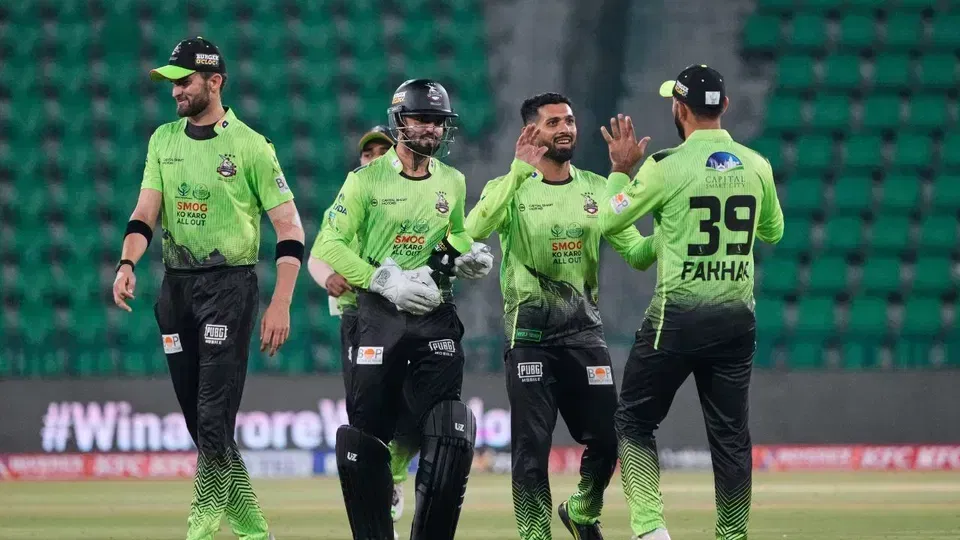
ICC Rules on Ball-tampering (Source: Lahore Qalandars & AFP)In a significant development, the 11th edition of the Pakistan Super League was marred by a ball-tampering controversy during the Lahore Qalandars vs Karachi Kings match in PSL 2026. The incident came into the spotlight when Shaheen Shah Afridi-led Qalandars were penalised for alleged ball tampering during the tense final over of the game. The event featured major Pakistan players, namely Shaheen Shah Afridi, Haris Rauf, and, primarily, Fakhar Zaman. This eventually resulted in a five-run penalty that dramatically changed the outcome of the match. It is worth noting that under the apex body of world cricket, the International Cricket Council (ICC) rules, ball tempering is considered a grave offence, resulting in severe penalties, including match suspensions. Also read: Hasan Ali Brings Out 'This Is My Yard' Celebration After Plucking Stunner In PSLIn this article, read in detail about what happened, what the ICC rules are on PSL ball tempering, and what can happen moving forward. What is the Lahore Qalandars vs Karachi Kings match in the PSL 2026 ball-tampering controversy? The incident happened during the final over of a low-scoring thriller between Lahore Qalandars and Karachi Kings in the match number 6 of the ongoing PSL 2026. Before the start of the final over, KRK needed 14 runs. Fakhar, Lahore captain Shaheen Afridi, and fast bowler Haris Rauf were involved in a brief discussion, during which Fakhar and Rauf passed the ball between them.The umpire then approached Rauf and asked to see the ball. Following consultations with the square-leg umpire, the officials awarded five penalty runs to Karachi and ordered the ball changed.The penalty proved costly, as Karachi went on to chase down a target of 129 with three balls to spare, and Abbas Afridi hit a four and a six to seal a four-wicket victory.PCB to take serious action after a profound observation and reviewThe fallout from the incident has sparked intense debate over the consistency of on-field officiating and the use of technology to identify ball-tampering in PSL. The Pakistan Cricket Board (PCB) is expected to review the high-definition broadcast footage and the match referee's report in detail during the next hearing to determine if the physical condition of the ball aligns with the umpires' observations of deliberate tampering.What is the ICC Rule against ball tampering? Though in T20 cricket, in some instances, the ball tampering case is headed by the Laws of Cricket and ICC regulations. The ICC rules on changing the condition of the ball in breach of clause 41.3 states that "Any action(s) likely to alter the condition of the ball which are not specifically permitted under clause 41.3.2 may be regarded as ‘unfair’. The following actions shall, therefore, not be permitted (this list of actions is not exhaustive but included for illustrative purposes): (a) deliberately throwing the ball into the ground for the purpose of roughening it up (b) applying any artificial substance to the ball; and applying any non-artificial substance for any purpose other than to polish the ball(c) lifting or otherwise interfering with any of the seams of the the ball; and (d) scratching the surface of the ball with finger or thumb nails or any implement."It is worth noting that if match officials suspect tampering, immediate penalties can be imposed, such as a five-run penalty to the reckoned team. What penalties can the accused player face? Ball tampering in franchise cricket is governed by the MCC Laws of Cricket (Law 41.3) and the specific Code of Conduct of the respective league (e.g., IPL, PSL, BBL), which generally align with the ICC Code of Conduct and often classify it as a severe Level 3 offence.In the eyes of the governing bodies, ball tampering remains one of the most controversial and grave issues, as it massively affects how the ball behaves in the air and off the pitch. The immediate punishment is limited to five penalty runs or ball replacement. However, stronger evidence of deliberate tampering, if found by the match officials, could imply the following penalties: Players can be fined a significant percentage of their match fee.The captain is responsible for team conduct and can receive a suspension even if they did not personally tamper with the ball, for failing to manage the team.Under many franchise codes, a first offence can result in a 1–2 match ban. Repeated offences can lead to bans of 2–4 matches or longer, depending on the tournament's specific regulations.Australian trio David Warner, Steve Smith and Cameron Bancroft were handed lengthy bans by Cricket Australia following a 2018 ball-tampering scandal in South Africa. It should also be noted that when the ball-tampering row rocked the Australian cricket team, even high-profile players like David Warner and Steve Smith were handed lengthy bans. Could a similar action be taken against Fakhar, Shaheen and Haris, who are all in the centre of the spotlight?Also read: Shaheen Afridi Releases Official Statement On Ball Tampering In PSL 2026