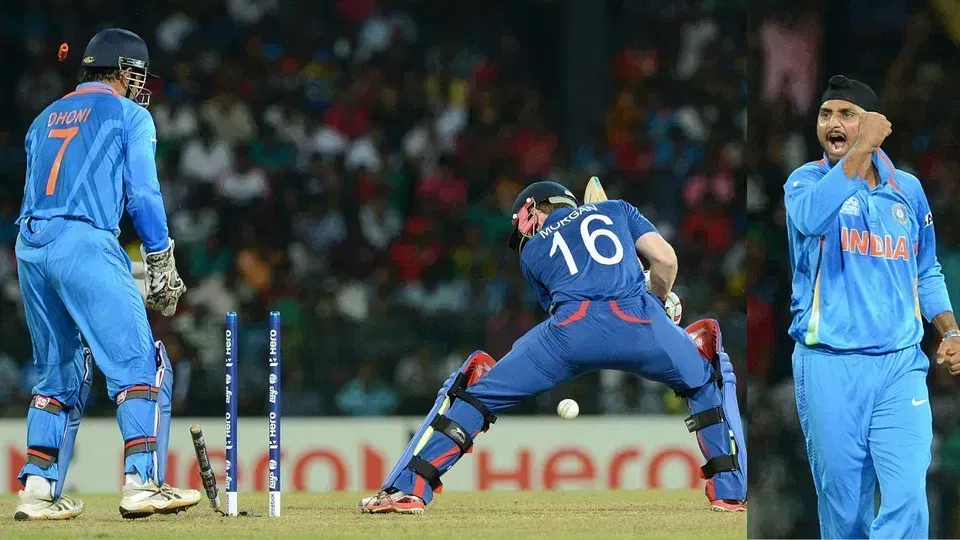
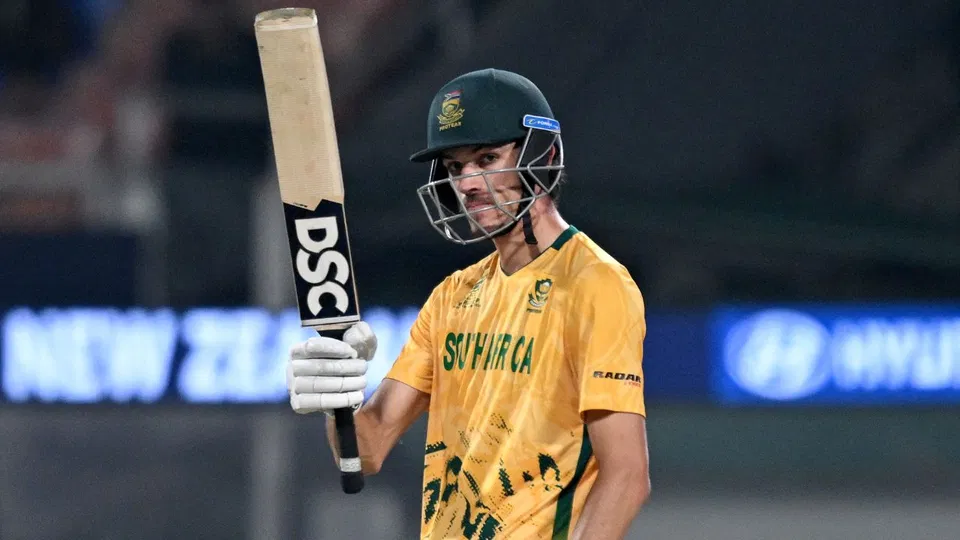
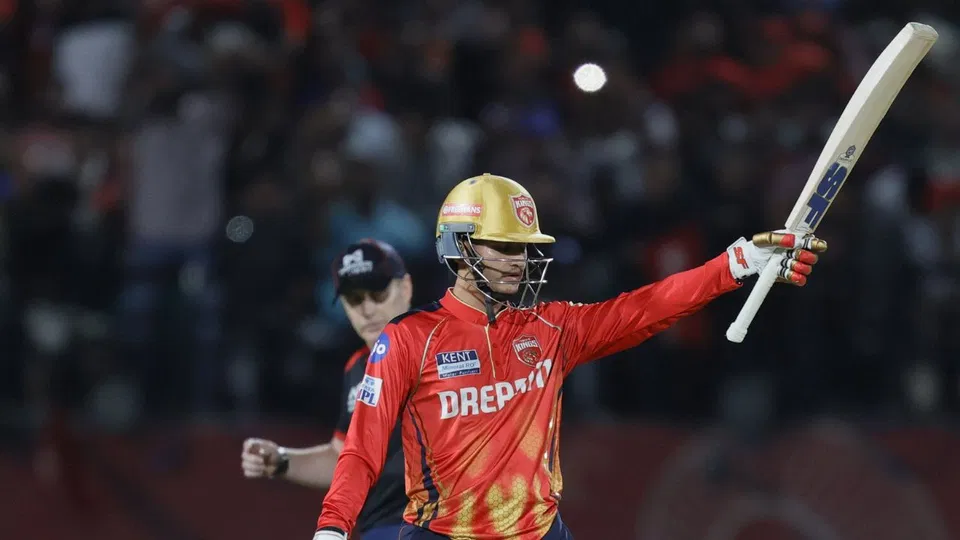
Ishan Kishan (L), Ryan Rickelton (C) and Aiden Markram (R) (Source: AFP)
The ongoing T20 World Cup 2026 has reached the knockout stage, with the top four teams set to contest the semi-finals. Meanwhile, the current edition of the tournament has left the cricket experts and fans with some intriguing questions about the changing dynamics and transforming tactical approach in T20 cricket.
A lot of changes in the tactics have been observed in the T20 World Cup 2026, which places it completely different compared to the previous editions. Some of the decisions taken by captains and the team management also hinted towards the more-modernised and fast-paced version of the game’s shortest format.
Therefore, this article examines whether the T20 strategy has peaked or whether another tactical transformation is on the cards after the T20 World Cup 2026.
New batting standards established in T20 World Cup 2026
The teams participating in the ongoing World T20 have established new batting standards in the shortest format of the game. It further reflects the difference in batting metrics in this edition compared to the previous ones.
Notably, the T20 World Cup 2026 has already surpassed all the previous editions in terms of the most 200+ totals scored in a single season. A total of nine 200+ scores have been scored in the tournament so far, including two 250+ scores (India’s 256 and West Indies’ 254).
Highest Team totals (200+) in T20 World Cup 2026
Team
Opponent
Total
India
Zimbabwe
256/4
West Indies
Zimbabwe
254/6
Ireland
Oman
235/5
Sri Lanka
Oman
225/5
South Africa
Canada
213/4
Pakistan
Sri Lanka
212/8
India
Namibia
209/9
Scotland
Italy
207/4
Sri Lanka
Pakistan
207/6
England
Italy
202/7
Afghanistan
Canada
200/4
Prior to this, the inaugural World T20 in 2007 held the record for the most 200+ totals in a single season. This kind of batting approach in the ongoing edition also hints towards a big shift in how teams have conceived their strategy in a major multi-team tournament.
What further underscores the batting transformation is the fact that five out of 20 teams in the tournament’s current edition have a run rate of 9.79 runs per over. Apart from these five teams, eight teams have maintained a net run rate of 8.5 or more.
Apart from the high team totals, what further indicates towards a big change in the T20 tactics is the lack of anchors in the batting lineups. The teams have invested more in the attacking batters in the top three spots instead of giving an ‘anchoring’ responsibility to a particular batter.
The question of whether anchors are disappearing is answered further by the stats of the top three batters in the ongoing T20 World Cup 2026. 8 teams in the current edition have the top three batters who jointly have the strike rate of 150+, with South Africa leading the chart as their top three have a strike rate of 162.68.
Team-Wise combined strike rate of top three batters in T20 World Cup 2026
Team
Runs Scored by
Top-3 Batters
Top-3 Batters'
Strike Rate
South Africa
667
162.68
Pakistan
599
158.89
West Indies
597
148.51
India
554
161.05
Zimbabwe
526
133.84
New Zealand
520
159.51
Sri Lanka
515
128.11
England
459
142.55
Afghanistan
388
151.56
Scotland
356
139.61
UAE
342
122.58
Canada
312
131.09
Australia
310
175.14
USA
299
131.14
Namibia
284
126.22
Netherlands
282
129.95
Nepal
232
116.00
Italy
227
136.75
Ireland
126
117.76
Oman
113
114.14
The approach of out-and-out attacking batters in the top three reflects that the ‘anchors’ might shortly lose their relevance in the shortest format of the game. With this edition, the T20 cricket seems to move forward as the intent of ‘anchoring’ hasn’t been seen in the tournament so far.
The all-rounder-heavy XI: A new template
Apart from the major shift in batting tactics, the pattern of finalising the playing XI has also changed completely compared to the last editions. Most of the teams seem to have moved on from the tradition of forming the playing XI with 4 or 5 specialists in batting and bowling alongside an all-rounder or two.
An all-rounder-heavy XI with the mindset of having batters till number eight has been seen as the most-followed trend among teams in the T20 World Cup 2026. India and Pakistan have been two major examples of implementing this policy of investing more in all-rounders.
So, the days are not too far off or maybe we are already in the time when only three specialists each in batting and bowling are there in the playing XI with 4 out-and-out all-rounders. Hence, the current edition of the T20 World Cup 2026 has become a turning point in the shortest format of the game, as the ultra-aggressive strategy seems to have reached its peak.
.jpg?type=hq) Ishan Kishan (L), Ryan Rickelton (C) and Aiden Markram (R) (Source: AFP)
Ishan Kishan (L), Ryan Rickelton (C) and Aiden Markram (R) (Source: AFP)