





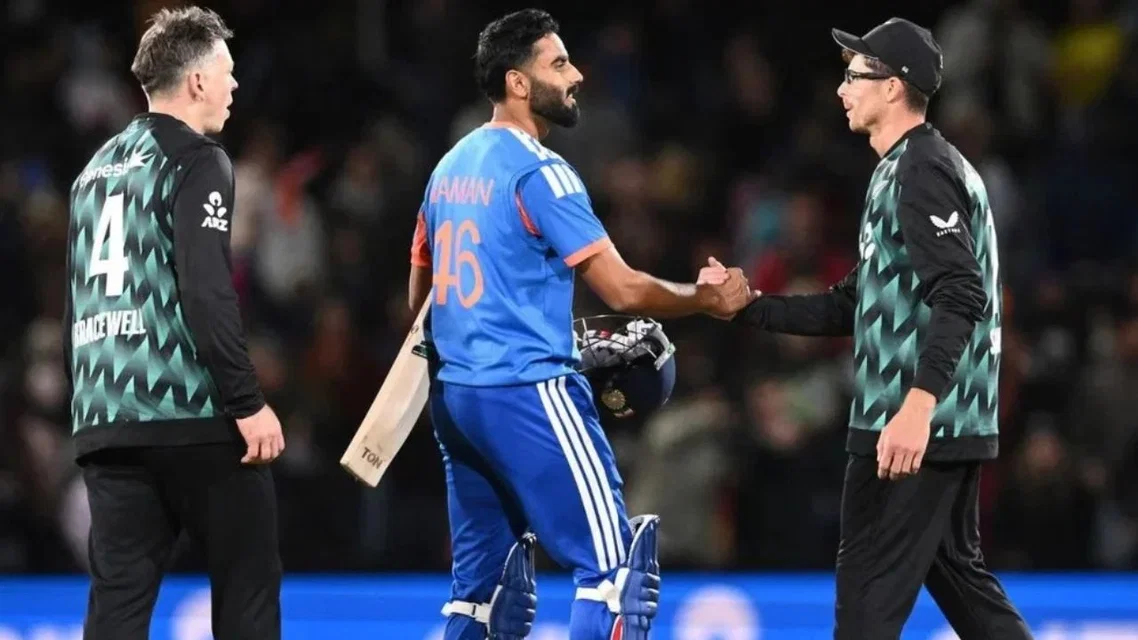
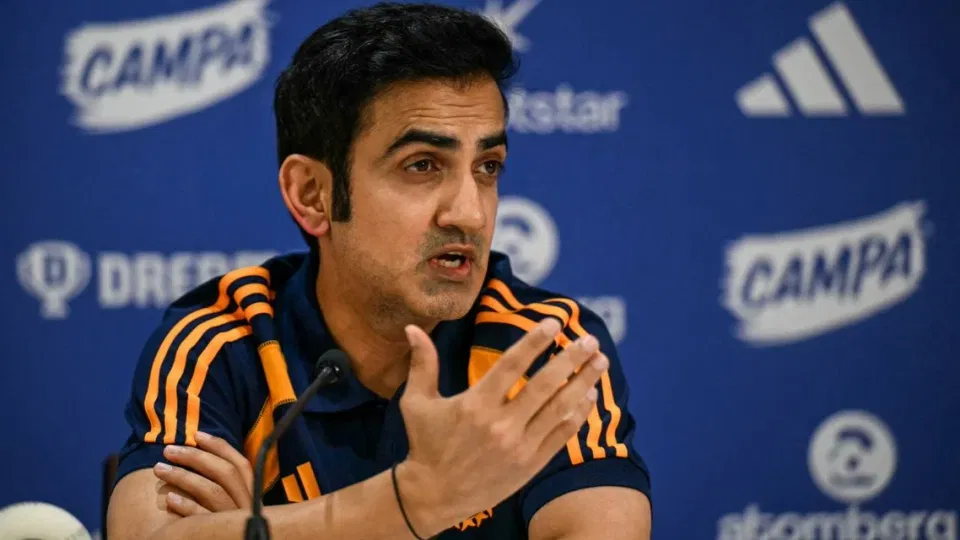
 India wins T20I series by 3-2. [Source - AFP]
India and New Zealand locked horns in an entertaining five-match T20I series, with both teams producing several memorable performances. India eventually secured a 3-2 series victory despite losing the final two matches.
The series offered plenty of talking points, with individual performances, team combinations and tactical decisions shaping the contest. Here are the key takeaways for India after the five-match series against New Zealand.
1. Naman Dhir Emerges As A Promising Utility Player
Naman Dhir emerged as India's second-highest run-scorer in the series after Abhishek Sharma. The star player smashed 138 runs at a strike rate of 200 in five matches. His ability to accelerate against both pace and spin made him one of India's biggest positives.
The star all-rounder was particularly dangerous in the death overs, scoring 54 runs at a staggering strike rate of 257.14. His unbeaten 42 off just 15 balls in the first T20I, during India's successful 226-run chase, was a standout performance.
India have been looking for a middle-order batter who can also provide off-spin options. They previously experimented with Riyan Parag and Washington Sundar in similar roles, but Naman Dhir's impressive performances against New Zealand could finally give India the right man for the job.
2. Bhuvneshwar Kumar's India Return Fails To Impress
Bhuvneshwar Kumar's return to the Indian T20I setup did not go according to plan. He conceded 180 runs and managed just one wicket across four matches, maintaining an expensive economy rate of 11.25.
His struggles also highlighted why India had gradually moved towards younger pace options.
While Bhuvneshwar still has the experience and ability to swing the new ball, his performances did not make a convincing case for an extended run, and India might also not pick him for the next T20I assignment vs Sri Lanka.
3. Varun Chakaravarthy's Place In India's 2028 T20 World Cup Plans In Doubt?
Varun Chakaravarthy returned from injury during the five-match series against New Zealand but featured in only one match, conceding 45 runs and picking up a solitary wicket.
The performance raised questions about his effectiveness after returning to the setup.
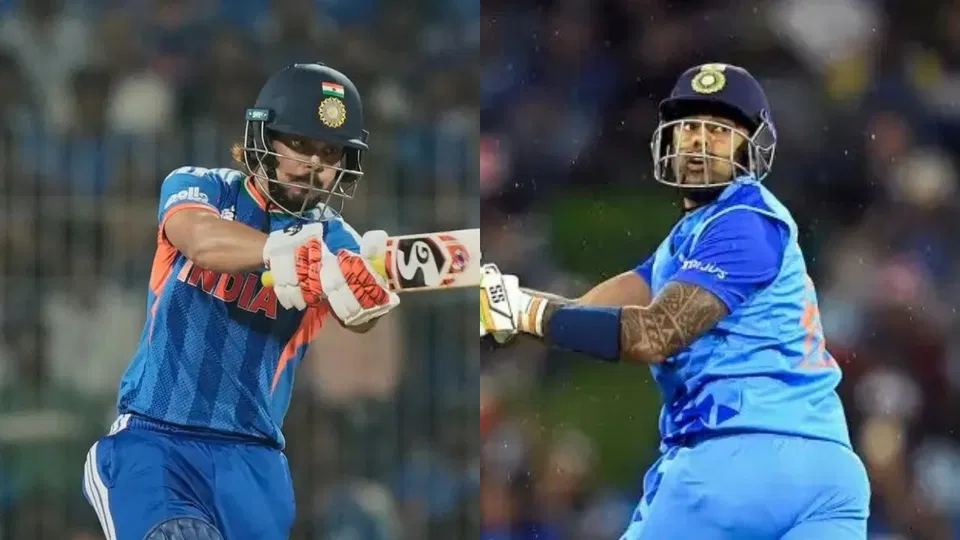
At 35, Varun's long-term place in India's T20I plans also remains uncertain. His mystery-spin variations no longer appear as difficult to read, with opposition batters increasingly anticipating his incoming sliders.
With the next T20 World Cup scheduled in Australia and New Zealand in 2028, Varun Chakaravarthy's chances of retaining his place until then look uncertain. He could find himself out of India's plans for the tournament, particularly if younger spin options emerge.
4. Shivam Dube And Axar Patel's Roles In India's T20I Setup In Question
Shivam Dube did not feature in a single match during the five-game series against New Zealand. With Nitish Kumar Reddy and Naman Dhir playing all five games, questions are emerging over Shivam Dube's role in India's plans in T20Is.
Axar Patel, meanwhile, managed just three wickets in four matches at an economy rate of 10.53. His batting contributions were also limited, with 42 runs off 32 balls across three innings.
5. Prince Yadav's Defensive Bowling A Breath Of Fresh Air
Prince Yadav emerged as a positive takeaway for India after featuring in four matches and picking up two wickets. However, his biggest contribution came through his ability to deliver economical overs during the death phase.
India conceded runs at an economy rate of 12.11 in the death overs across the five-match series. Prince, meanwhile, conceded just 34 runs in four death overs at 8.50, making his defensive bowling a rare positive in India's expensive pace attack.
.jpg)
.jpg?type=mq "Bhuvneshwar Kumar Scripts Embarrassing Record")