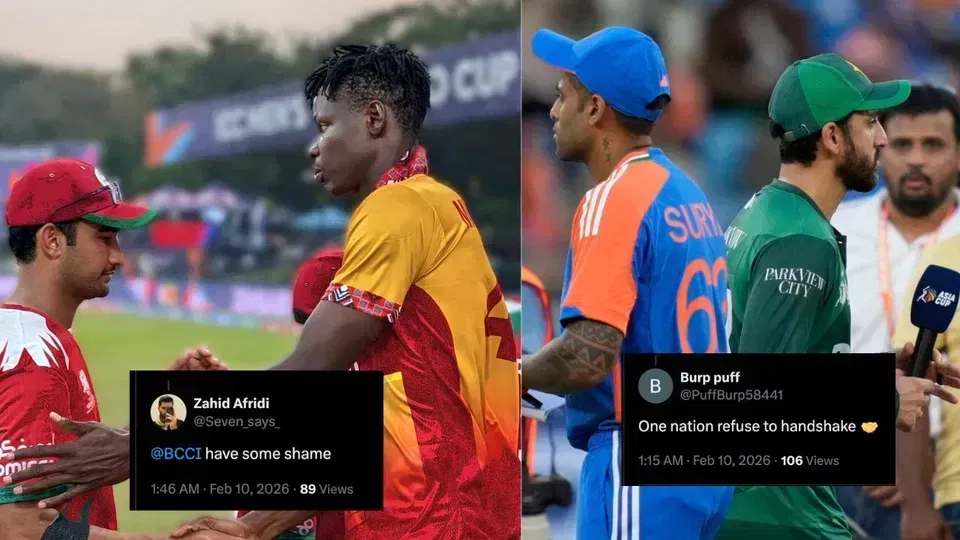
India captain and the Pakistan captain during a toss [Source: X]The cricketing world is now breathing a sigh of relief as the blockbuster Group A encounter between India and Pakistan in the ICC Men's T20 World Cup 2026 is set to proceed as planned on February 15 in Colombo. After days of uncertainty and high-stakes diplomatic meetings, the Pakistan government has directed its national team to participate in the fixture. After putting an end to a potential boycott that had threatened to overshadow the tournament, the ICC have saved a mega financial loss in millions of dollars. The ICC-PCB standoff and the solution to the impasse The controversy stemmed from Pakistan's initial stance of solidarity with Bangladesh. The Pakistan Cricket Board (PCB) had announced it would skip the match against India to protest the ICC's decision to replace Bangladesh with Scotland in the competition. Behind-the-scenes negotiations played a pivotal role in resolving the impasse. Representatives from Sri Lanka Cricket (SLC), the Bangladesh Cricket Board (BCB), the PCB, and the ICC engaged in intensive backchannel discussions to broker a compromise. In a surprising turn, the BCB itself stepped in to defuse the situation. On Monday, the Bangladesh board released a statement expressing deep gratitude toward Pakistan for its supportive gesture during the challenging period. The India vs Pakistan breakthroughThe breakthrough came late Monday when the Pakistan government and the ICC issued an official statement confirming the team's participation. According to the government's post on X, the Prime Minister was briefed on the positive outcomes of multilateral discussions. "In view of the outcomes achieved in discussions, as well as the request of friendly countries, the Government of Pakistan hereby directs the Pakistan National cricket team to take the field on February 15, 2026, for its scheduled fixtures," the statement read. It extended best wishes to the team, expressing confidence that they would uphold sportsmanship and national pride. This reversal has significant financial implications for the global cricket body. ICC saves the day with $174 million at stake Sources close to the matter revealed that Pakistan's decision to play has averted a massive revenue shortfall for the ICC. Had the boycott gone ahead, the governing body stood to lose approximately $174 million, encompassing losses from broadcasting rights, ticket sales, and sponsorship deals tied to one of the most lucrative fixtures in the sport. "The total potential impact would have been around $174 million, covering broadcasters, gate receipts, and various commercial partnerships," an insider noted. India vs Pakistan matches historically draw enormous viewership and commercial interest, making them a strong pillar of ICC events' financial success. The confirmation sparked immediate reactions in the travel sector as well. Within minutes of the announcement that the match would proceed, round-trip flight prices from Mumbai to Colombo surged by up to Rs 10,000, reaching around Rs 60,000, as fans scrambled to secure spots for the high-voltage encounter. The massive economic and emotional impact from India vs Pakistan clashThe India and Pakistan rivalry remains one of cricket's greatest rivalries, with its intense global appeal in the context of geopolitical ties as well. Past encounters, like the thrilling Asia Cup final in 2025, have only heightened anticipation. With the game now locked in, fans on both sides, and around the world, are gearing up for what promises to be another unforgettable chapter in the contest. The Pakistan vs India game has a total commercial value of between $250 million and $500 million, including broadcast ads, sponsorships, and ticketing. The economic impact the game leaves in the region where it is hosted is also over $150 million, with revenue generated for local hospitality and tourism industries. Hence, if the match were boycotted and abandoned, it would have taken a major financial hit, both for the ICC as well as the hosting country.