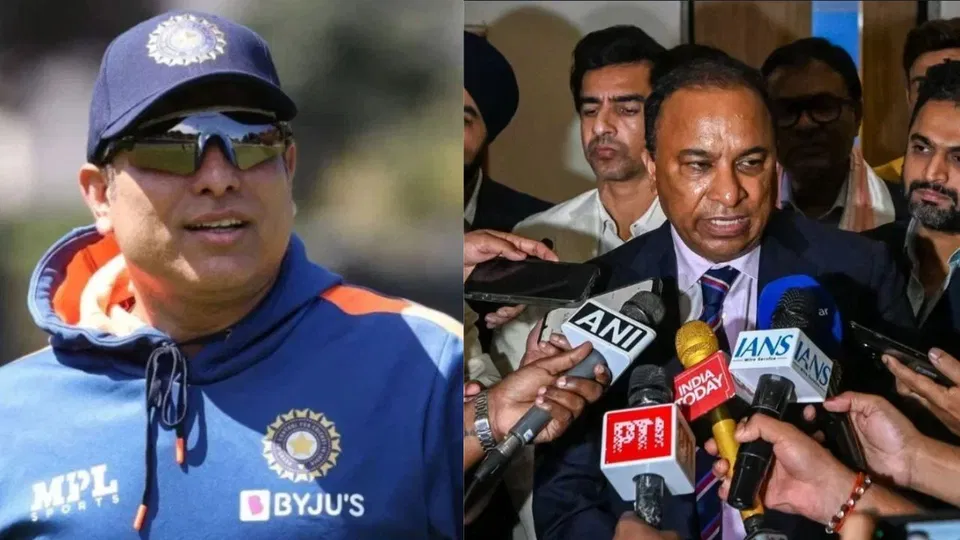
![Devajit Saikia and Shubman Gill [Source: AFP]](https://onecricketnews.akamaized.net/parth-editor/oc-dashboard/news-images-prod/1788446726653_DevajitSaikiaandShubmanGill.jpg?type=hq) Devajit Saikia and Shubman Gill [Source: AFP]
Devajit Saikia and Shubman Gill [Source: AFP]
The BCCI appears ready to rethink how India’s international calendar is built, with the massive volume of cricket emerging as one of the board’s biggest concerns. With players moving almost continuously between formats, leagues and international assignments, managing their workload has become as important as managing the team itself.
The BCCI now wants its next scheduling cycle to provide India’s cricketers with enough rest and recovery time with better workload programmes for all.
BCCI reveals massive plan for next FTP calendar
The BCCI is preparing to make a significant adjustment to its Future Tours Programme (FTP), with player workload and injury prevention to be given the highest priority.
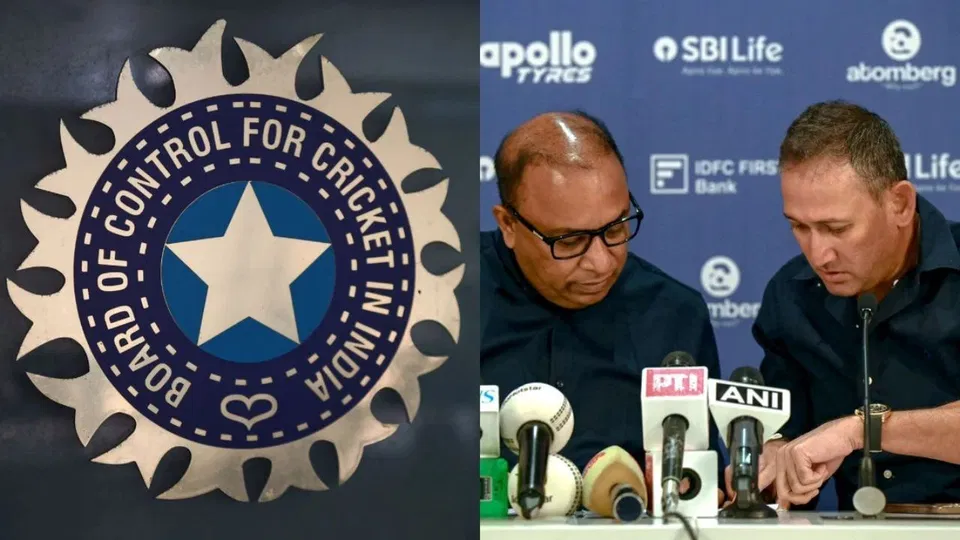
BCCI secretary Devajit Saikia acknowledged that the volume of cricket has become a major challenge for India. Rather than looking at workload management solely through the lens of medical rehabilitation, the board appears keen to address the problem at the scheduling stage itself.
“The only challenge which we are facing is that there are too many matches in the year and that is why in the next FTP we will do certain things, we will take certain measures,” Saikia told reporters after a review meeting at the BCCI headquarters.
Saikia further said the board has instructed its FTP officials to push for a schedule that gives players adequate rest before major series, while also allowing them time to acclimatise to unfamiliar conditions.
“We have instructed our FTP persons who will be meeting very soon in various international forums that our FTP should be such that it is scheduled in a way that there is proper rest for the players as well as some kind of acclimatisation or some kind of friendly matches before any major series in SENA countries (South Africa, Australia, England and New Zealand),” he added.
The proposed approach would effectively make preparation part of workload management. Instead of arriving directly from one assignment and immediately entering a high-pressure series, Indian players could have a more structured transition between competitions.
Also Read- Indian Player Selected For Australia Series Banned By BCCI For 2 Years
Devajit Saikia rubbishes non-communication rumours
While the scheduling concerns have raised questions about how different arms of Indian cricket coordinate injury and workload decisions, Saikia was categorical that there is no communication breakdown within the system.
Following the review meeting, the BCCI secretary rejected suggestions that the board, its medical set-up, coaching staff and the national teams were operating without proper coordination.
“Everybody is on the same page. BCCI is working very well, like a well-oiled engine,” Saikia said.
He also underlined the coordination between the different departments involved in managing India's players, pointing towards the Board's Centre of Excellence (COE), the men's coaching staff and the various team committees.
“There is proper coordination amongst all the wings of BCCI, whether it is women’s team committees or their technical staff or their coaches, vis-a-vis the COE, vis-a-vis the Indian men’s team’s coaching staff and the head coach. There is no difficulty in the coordination, everything is moving in the right direction.”
Meanwhile, the review meeting itself brought several key figures together, including Test and ODI captain Shubman Gill, T20I captain Shreyas Iyer, head coach Gautam Gambhir and COE director of cricket VVS Laxman, indicating a plan for India's broader sporting roadmap.
BCCI ready with World Cup 2027 roadmap
The scheduling overhaul ultimately has a larger objective. India are already looking towards the 2027 ODI World Cup, and the BCCI wants the next phase of international cricket to serve as preparation for that tournament rather than simply becoming another sequence of bilateral commitments.
Saikia confirmed that the review meeting included discussions around India's recent performances and the road ahead.
“We discussed how our team performed in England and Ireland and also we are thinking about what we are going to do about the next one year. The road map has been prepared and we will be doing some exercises so that we have a very good performance in 2027 World Cup,” he said.
That roadmap makes the FTP discussion particularly relevant. A World Cup campaign is built over several months and years, and India's preparation cannot be reduced to the tournament itself.
The players need sustained exposure to ODI cricket, but they also need enough recovery time to reach the competition in peak physical condition.
Hence, the next FTP could consequently become the BCCI's first major attempt to build player longevity directly into India's international calendar for a better outcome.
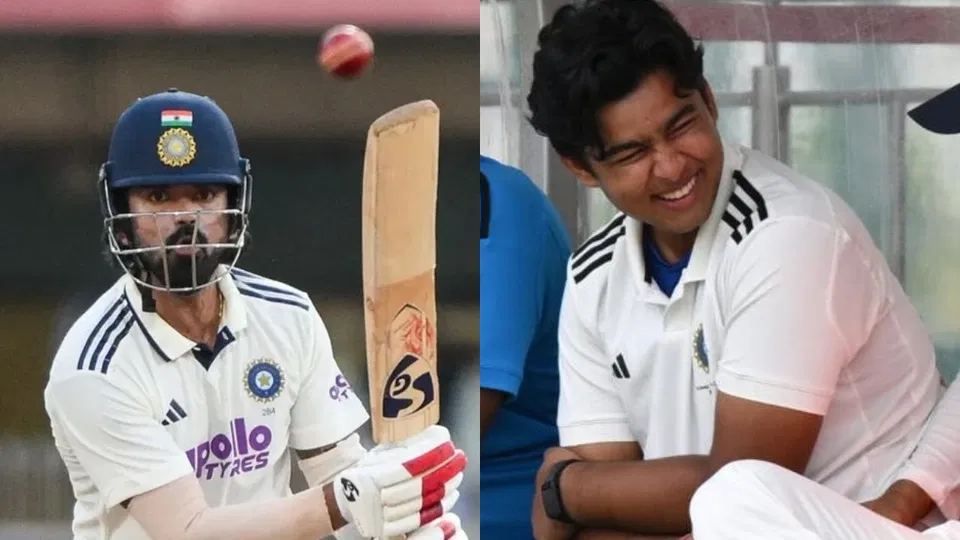
Also Read- Vaibhav Sooryavanshi Threat! KL Rahul Alongside 2 India Stars Told To Play Duleep Trophy Final
.jpg?type=mq "KL Rahul's IPL Teams")