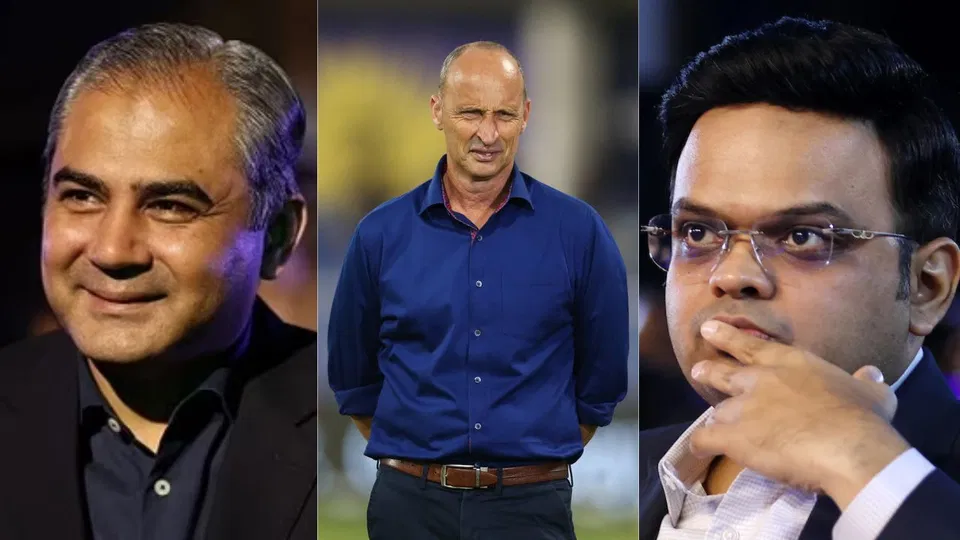
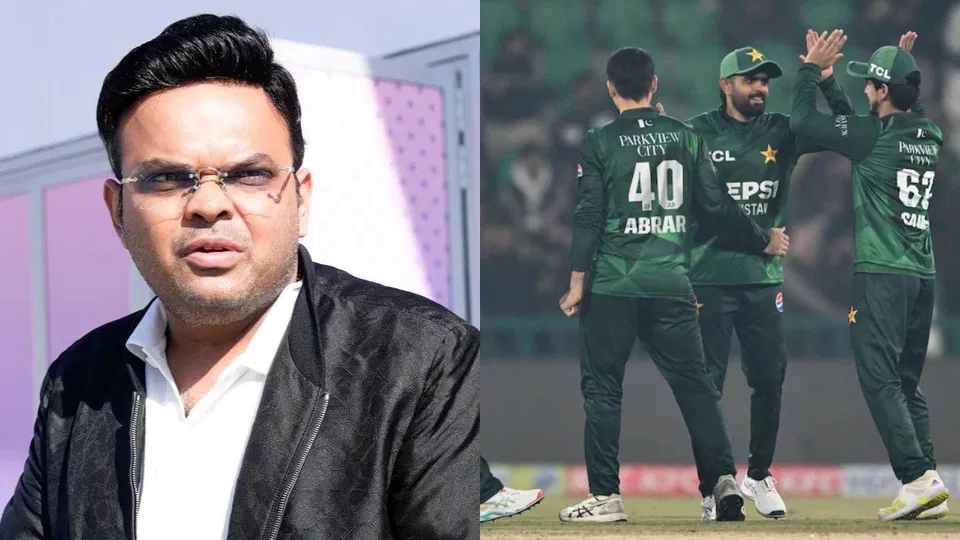
Bangladesh minister thanks Pakistan for support [Source: @trahmanbnp, @PreetiJhaq4/X.com]The political storm surrounding the ICC Men’s T20 World Cup 2026 continues to escalate, with Pakistan’s boycott of the India match now drawing strong reactions from across the region. The dispute started out merely as a scheduling and security issue but has now become a larger debate regarding fairness, power, and double standards in international cricket.The sudden removal of Bangladesh from the tournament has only added to the volatility of the situation, with Pakistan now engaging in open protest and the ICC having a difficult time managing it.Nazrul thanks Pakistan for standing with BangladeshAmidst this, Bangladesh Youth and Sports Adviser Asif Nazrul openly thanked Pakistan for backing Bangladesh during the crisis. In a Facebook post, Nazrul wrote, “Thank you, Pakistan,” while sharing comments made by Pakistan Prime Minister Shehbaz Sharif. Sharif confirmed that Pakistan’s decision to boycott the India match on February 15 was a protest against Bangladesh being removed from the World Cup. Nazrul quoted Sharif as saying that sports should remain free from politics and that Pakistan had taken the decision after careful thought. Sharif also said Pakistan would completely stand by Bangladesh, calling the move appropriate and principled. "Thank you Pakistan. Pakistan Prime Minister Shahbaz Sharif said his country has decided to boycott the India match in protest of removing Bangladesh from the T20 World Cup. We will not play the match against India, he said to the cabinet members on Wednesday. Because there should be no politics on the playground. We took this decision very thoughtfully. We should totally stand by Bangladesh. I think this is a very appropriate decision," Nazrul wrote on Facebook.This marked the first official explanation from the Pakistani government behind the boycott.How Bangladesh’s exit triggered the boycott row?To put things into perspective, the whole controversy began when Bangladesh refused to travel to India for their World Cup matches due to security reasons. The BCB then asked that their matches be shifted to Sri Lanka, which is a co-host of the tournament. However, the ICC rejected their request and decided to replace Bangladesh with Scotland instead. Interestingly, the decision passed with a 14-2 vote. Only Pakistan and Bangladesh opposed it. This move angered both boards and sparked accusations of inconsistency. Pakistan later announced it would still play the tournament but would not take the field against India.The situation worsened when it emerged that the Bangladesh government’s stance was linked to earlier tensions involving Mustafizur Rahman’s IPL exit. That single issue snowballed into a major international dispute, pulling cricket boards and governments into direct conflict.PCB calls out double standards as ICC faces pressureMeanwhile, PCB chairman and Pakistan interior minister Mohsin Naqvi strongly criticised the ICC’s handling of the matter. He called the decision a double standard and pointed to India’s refusal to travel to Pakistan for the 2025 Champions Trophy. Naqvi argued that Bangladesh deserved flexibility and respect as a full ICC member. The ICC, however, has urged Pakistan to reconsider. It stated that such stunts damage the tournament’s integrity. However, the ICC is also concerned about the loss of finances in case the India-Pakistan match gets cancelled, which is still the most lucrative series in international cricket.Former players like Nasser Hussain have also weighed in, backing Pakistan and Bangladesh for standing their ground. With politics, money, and power now fully intertwined, the ICC finds itself under growing pressure to prove that its rules apply equally to everyone.






.jpg?type=mq "Jahanara Alam sexual harrassment case- Bangladesh Cricket Board finds crucial evidence")