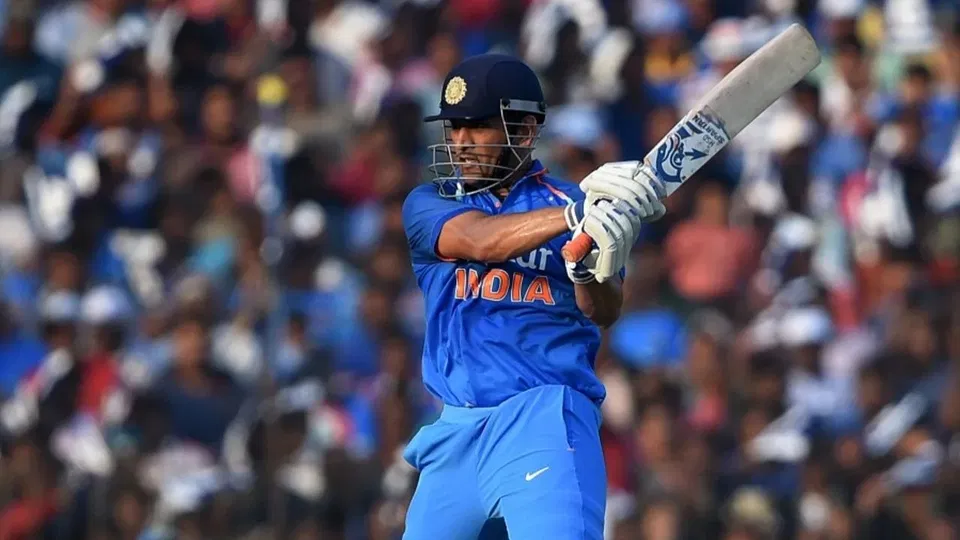
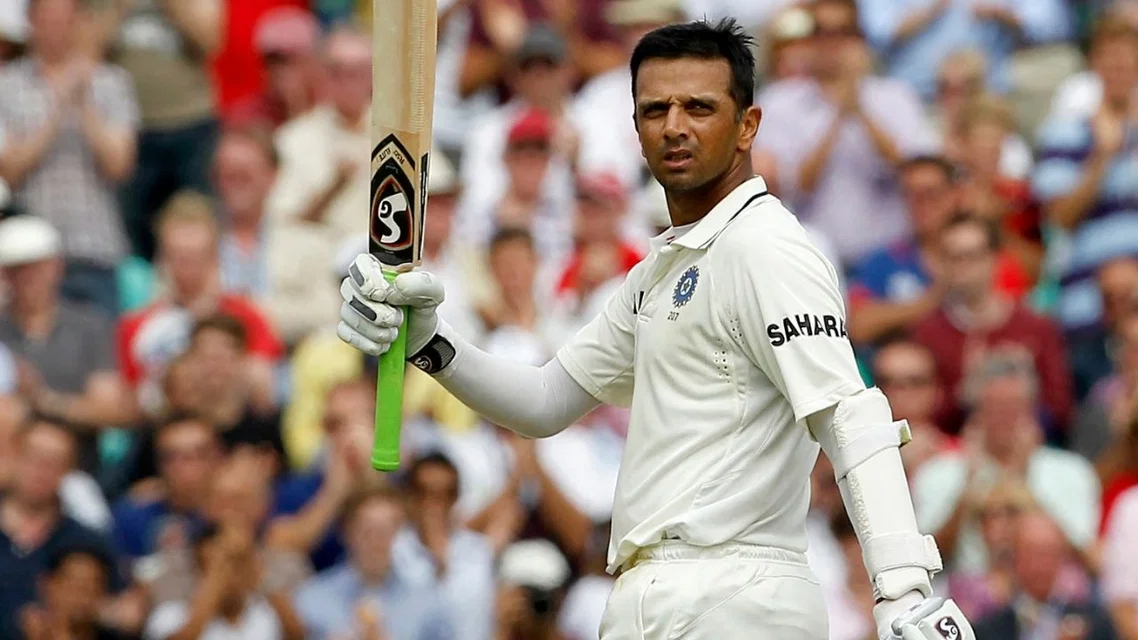
 Rahul Dravid in London Test against England, 2011 (Source: AFP)
Former India batter Rahul Dravid is undoubtedly one of the all-time batting greats to have played Test cricket in its 148-year history. In his 16-year-long Test career, Rahul Dravid was synonymous with number three for India. He always happened to be there to rescue whenever the team fell into trouble.
Rahul Dravid is still the fifth leading run-scorer of all time in Tests, with 13,288 runs in 286 innings of the 164 Tests, with an average of 52.31, hitting 36 centuries and 63 half-centuries. Besides that, he is also placed at the seventh spot in the list of batters with the most Test centuries.
The Wall stood there firmly to make a difference between India and the defeat on a lot of occasions during his glorious Test career. That said, here’s a look at Rahul Dravid’s five best innings in the longest format of the game.
Rahul Dravid’s five best innings in Tests
233 vs Australia, Adelaide Test, 2003
After playing a draw in the first Test, India and Australia faced each other in the second Test of the four-match series in 2003-04.
The hosts’ skipper Steve Waugh won the toss and decided to bat first at the Adelaide Oval. Batting first, the Aussies posted a big total of 556 runs courtesy of Ricky Ponting’s double century (242).
In response to Australia’s massive first-innings total, India initially fell into trouble losing their four wickets at the score of just 85 runs. However, this collapse was followed by another iconic partnership between Rahul Dravid and VVS Laxman (148), like the one they had done just two years back in Kolkata. They added 303 runs for the fifth wicket.
Speaking of Rahul Dravid, he became a puzzle that Aussie bowlers failed to solve before he fell as India’s last wicket at the score of 523 runs. Dravid scored an unforgettable double century, scoring 233 runs off 446 balls, with 23 fours and a six.
Eventually, India won this game by four wickets, and Dravid won the ‘Player of the Match’ award for his game-defining knock in the first innings, followed by an unbeaten knock of 72 runs during the run chase.
180 vs Australia, Kolkata Test, 2001
The Test match in Kolkata that became immortal in the history of cricket’s traditional format. Meanwhile, the Indian legend Rahul Dravid was one of the central figures who made this game a ‘match for the ages’.
In the second Test of the three-match series between India and Australia, the visitors had bundled out India at the score of 171 runs after scoring 445 runs in the first innings.
The hosts were forced to follow on by the Aussie skipper Steve Waugh, but what happened in the second innings was something that Waugh and Co would’ve never imagined.
Trailing by 274 runs at the end of the first innings, India had lost 4 wickets at the score of 232 before Rahul Dravid joined VVS Laxman for a partnership that would lay the foundation of a historic match.
VVS Laxman (281) and Rahul Dravid stitched a massive 376-run partnership for the fifth wicket. Dravid contributed with 180 runs off 353 balls, with 20 fours.
This partnership helped India post 657 runs for the loss of seven wickets before declaring the innings and forcing Australia to chase the 384-run target. Later in the second innings, the Indian bowlers bundled out the Aussies at 212 runs to win the game by 171 runs.
146 vs England, London Test, 2011
India and England were facing off in the fourth and final Test of the four-match series in 2011. The hosts had already taken an unassailable lead of 3-0 with three successive wins in the first three Tests.
Meanwhile, India’s misery continued in the fourth Test as well, with Rahul Dravid being the only highlight amidst a defeat by an innings and eight runs in the fourth innings.
England skipper Andrew Strauss decided to bat after winning the toss, and the Three Lions posted a big total of 591 runs for the loss of six wickets.
In India’s response, Rahul Dravid stood like a bridge amidst the team's collapse, like a pack of cards. He played an unbeaten knock of 146 runs off 266 balls, with 20 fours, almost half of India’s first-innings total of 300 runs.
Nevertheless, Dravid's effort wasn't enough to save India from a follow-on, as he didn’t get any support from the other end. Eventually, India was forced to follow on and lost the game and the series.
148 vs South Africa, Johannesburg Test, 1997
In January 1997, it was Rahul Dravid’s 15th Test innings in the ninth game of his Test career. India and South Africa faced each other in the third Test of the three-match series. The then-India skipper Sachin Tendulkar won the toss and decided to bat first. India had lost their three wickets at the score of 100 runs.
Furthermore, Sourav Ganguly (73) and Rahul Dravid stitched a 145-run partnership for the fourth wicket. Dravid ended up scoring his maiden Test century, as he notched up 148 runs off 362 balls, with 21 fours to take India’s score to 410 runs in the first innings.
After SA were bundled out at 321 in their first innings, Dravid shone with the bat again in the second innings. He scored 81 runs off 146 balls, with 11 fours.
Eventually, the match ended in a draw, but it is still remembered for Rahul Dravid’s batting heroics and his maiden Test century.
93 vs Australia, Perth Test, 2008
In the shadows of Sydney Test controversy and umpiring howlers, India and Australia faced each other in the third Test of the series in Perth. After a controversial 122-run defeat in Sydney, India bounced back strongly, and Rahul Dravid once again emerged as a perpetrator.
After the then-India skipper Anil Kumble opted to bat first, both the openers, Virender Sehwag and Wasim Jaffer, were dismissed at the score of 59 runs in 19.2 overs. Furthermore, Rahul Dravid and Sachin Tendulkar (71) stitched a stabilising 139-run partnership for the third wicket.
Dravid, with 93 runs off 183 balls, with 14 fours, ended up as the leading run-scorer for India in the first-innings total of 330 runs. Later, India bundled out the Aussies at 212 before scoring 294 runs in the second innings.
While chasing the target of 413 runs, the hosts were wrapped up at 340 runs, and India won the game by 72 runs to clear the books of the controversial Sydney defeat with Australia.